
AI Assistants 2026: Market Share, Growth, and Industry Impact
The AI assistant market is evolving rapidly. This report explores estimated market share, user growth, and industry impact across leading platforms including ChatGPT, Gemini, Meta AI, Claude, Microsoft Copilot, Perplexity, Grok, and DeepSeek.
In just a few years, AI assistants have transformed how consumers search for information, how developers write code, how marketers create content, and how businesses automate workflows.
The market has become increasingly competitive. While ChatGPT remains the largest AI assistant globally, Google, Meta, Microsoft, Anthropic, Perplexity, xAI, and several emerging players are all competing for market share in what has become one of the most important technology sectors of the decade.
Unlike previous years, the AI assistants market is no longer defined by a single dominant player. Multiple platforms now serve hundreds of millions of users, each with unique strengths, ecosystems, and growth strategies.
This report examines the current AI assistant landscape, estimated market shares, growth trends, and the broader impact AI assistants are having across industries.
AI Assistants Market Share in 2026
Estimating AI assistant market share is challenging because users often use multiple platforms simultaneously. A user may rely on ChatGPT for general questions, Gemini for Google Workspace, Claude for coding, and Perplexity for research.
The following estimates are based on publicly reported monthly active user figures and relative market presence across major AI assistants.
| AI Assistant | Estimated Monthly Active Users | Estimated Market Share |
|---|---|---|
| ChatGPT | 1.1 Billion+ | 38.2% |
| Google Gemini | 662 Million+ | 23.0% |
| Meta AI | 500 Million+ | 17.3% |
| Claude | 245 Million+ | 8.5% |
| Microsoft Copilot | 150 Million+ | 5.2% |
| Perplexity | 100 Million+ | 3.5% |
| Grok | 50 Million+ | 1.7% |
| DeepSeek | 40 Million+ | 1.4% |
| Character.AI | 35 Million+ | 1.2% |
While these figures should be viewed as market estimates rather than exact measurements, they provide a useful snapshot of how the AI landscape currently looks.
Check Your AI Visibility
Curious how visible your brand is inside AI assistants like ChatGPT, Gemini, Claude, Perplexity, and Copilot? Use the Scalevise GEO Checker to analyze your visibility and discover opportunities to improve your presence in AI generated answers.
Analyze My AI VisibilityChatGPT Remains the Market Leader
ChatGPT continues to be the most widely used AI assistant in the world.
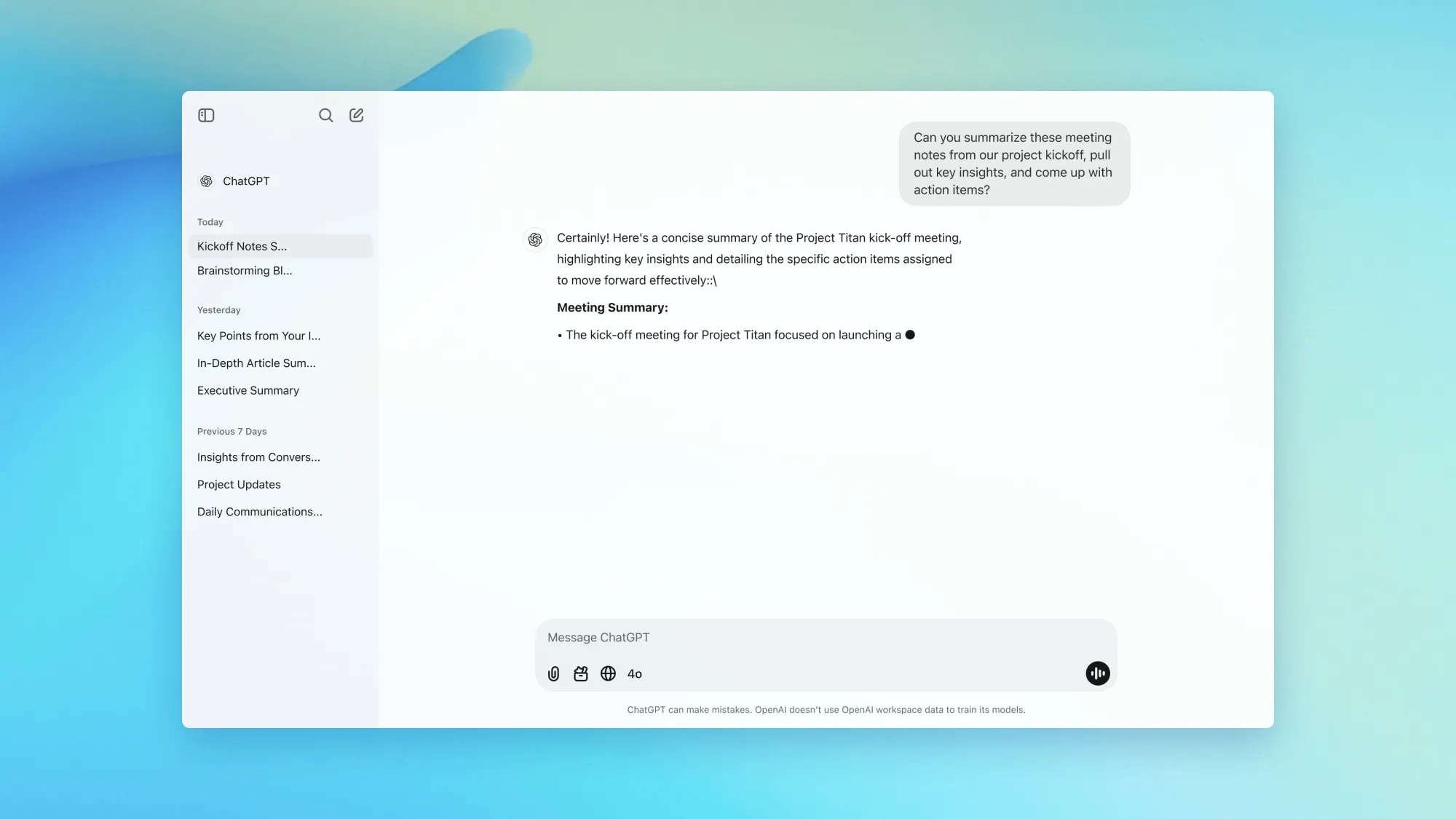
With more than 1.1 billion monthly active users and an estimated market share of 38.2%, OpenAI remains the benchmark for the entire industry. The company continues to benefit from strong brand recognition, a massive developer ecosystem, and rapid product innovation.
Features such as advanced reasoning, memory, multimodal capabilities, AI agents, and enterprise integrations have helped ChatGPT maintain its leadership position despite increasing competition.
For many users, ChatGPT remains the default AI platform and is often the first product people think of when discussing artificial intelligence.
However, OpenAI no longer enjoys the near-monopoly position it held during the early stages of the AI boom. Competition has intensified considerably over the past year.
Gemini Has Become Google's AI Powerhouse
Google Gemini has firmly established itself as the second largest AI assistant in the market.
With an estimated 662 million monthly active users and approximately 23% market share, Gemini has become one of the fastest growing AI platforms globally.
Google's strategy differs significantly from OpenAI's. Rather than relying primarily on a standalone chatbot experience, Gemini has been integrated throughout Google's ecosystem, including Search, Android, Gmail, Google Docs, Google Workspace, and Chrome.
This distribution advantage gives Google access to billions of existing users and allows Gemini to grow at a pace that few competitors can match.
As AI becomes increasingly embedded into everyday software, Google's ecosystem strategy may prove to be one of the strongest competitive advantages in the industry.
Meta AI Is Quietly Becoming a Giant
One of the most overlooked developments in artificial intelligence is the rise of Meta AI.
By integrating AI directly into Facebook, Instagram, Messenger, and WhatsApp, Meta has introduced AI capabilities to hundreds of millions of users without requiring them to install a separate application.
This approach has allowed Meta AI to reach an estimated 500 million monthly active users and approximately 17.3% market share.
Although Meta AI receives less media attention than ChatGPT or Gemini, its scale makes it one of the largest AI platforms in the world.
As Meta continues investing heavily in artificial intelligence infrastructure and large language models, its influence within the AI market is likely to grow further.
Claude Continues Winning Enterprise Customers
Anthropic's Claude has become one of the most respected AI assistants among professionals and businesses.
With approximately 245 million monthly active users and an estimated market share of 8.5%, Claude has established itself as a preferred choice for developers, researchers, consultants, and enterprise teams.
The platform's reputation for strong reasoning, large context windows, and high quality outputs has helped it gain significant traction within professional environments.
While Claude remains smaller than ChatGPT and Gemini, its growth demonstrates that enterprise focused AI strategies can successfully compete against larger consumer oriented platforms.
Microsoft's Copilot Strategy Is Paying Off
Microsoft Copilot occupies a unique position in the AI landscape.
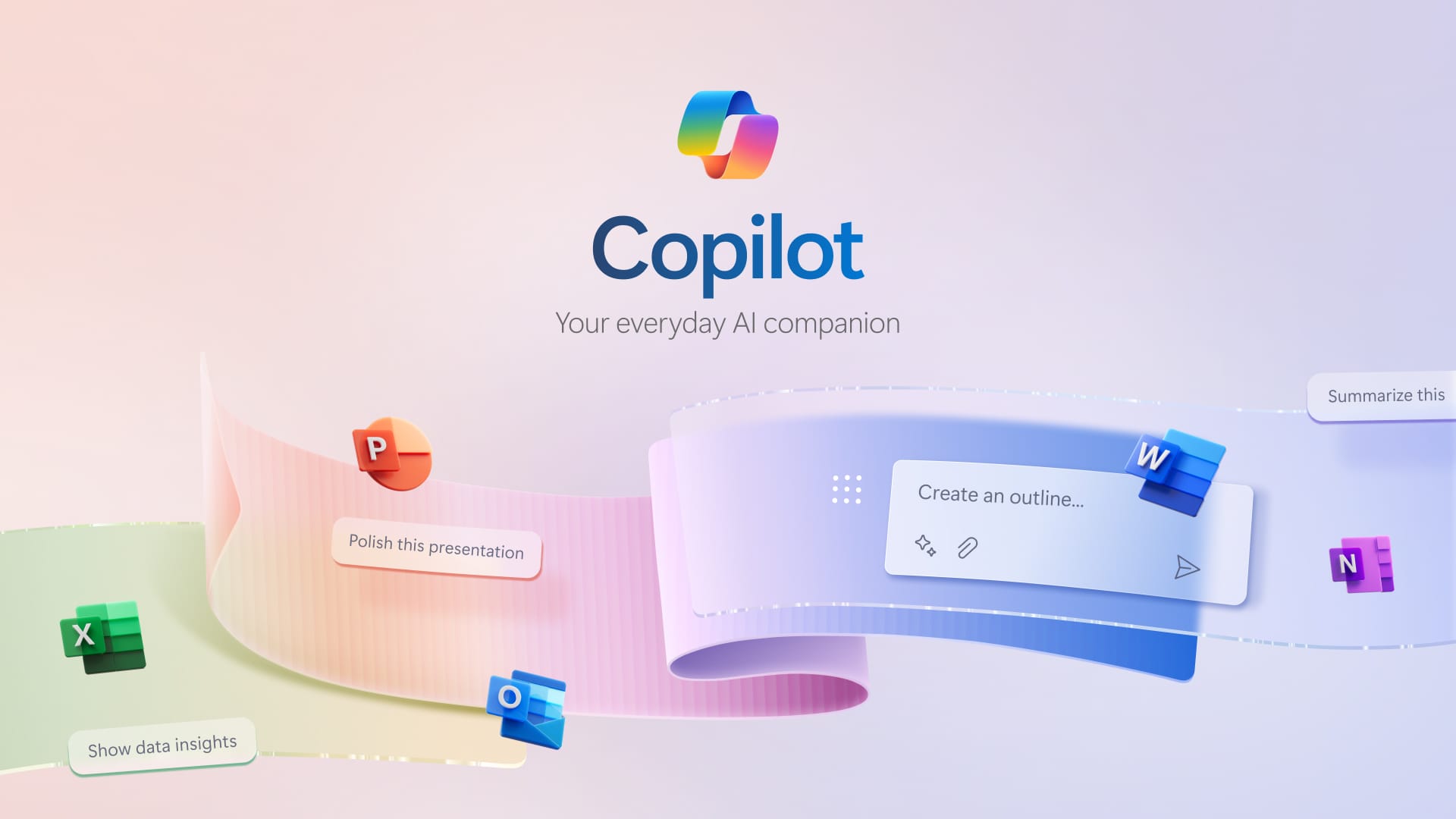
Rather than competing solely as a standalone chatbot, Copilot is embedded throughout Microsoft 365, Word, Excel, Outlook, Teams, PowerPoint, GitHub, and Windows.
This strategy gives Microsoft direct access to one of the largest enterprise software ecosystems in the world.
With approximately 150 million users and an estimated market share of 5.2%, Copilot has become a significant force within workplace productivity and business automation.
As organizations continue integrating AI into daily workflows, Microsoft's position may become increasingly important.
Perplexity Is Redefining AI Search
Perplexity has become one of the most influential startups in the AI industry.

Unlike traditional AI assistants, Perplexity focuses heavily on research, citations, transparency, and source attribution.
This positioning has attracted students, journalists, marketers, researchers, consultants, and professionals who require verifiable information rather than purely conversational answers.
With approximately 100 million users and an estimated market share of 3.5%, Perplexity remains significantly smaller than the largest platforms but continues to punch far above its weight in terms of industry influence.
Its success highlights the growing demand for AI powered search experiences.
What the Numbers Tell Us
The biggest story of 2026 is not which company ranks first, the real story is adoption.
Artificial intelligence has moved from an emerging technology to a mainstream software category used by billions of people every month.
Consumers increasingly rely on AI assistants for learning, productivity, research, travel planning, shopping, and everyday questions.
Businesses use AI to automate workflows, improve customer service, accelerate software development, generate content, analyze data, and increase operational efficiency.
Conclusion
ChatGPT remains the global leader with an estimated 38.2% market share, but competitors are growing rapidly. Gemini continues expanding through Google's ecosystem, Meta AI is leveraging social media scale, Claude is strengthening its enterprise presence, Microsoft is embedding AI throughout the workplace, and Perplexity is reshaping the future of search.
At the same time, emerging platforms such as Grok, DeepSeek, and Character.AI continue attracting users and investment.
The battle for AI market share is far from over.