
AI Workflow Automation for SMBs: Where to Start and What to Automate First
Discover where SMBs should start with AI workflow automation, which tools to use, and how to automate processes for growth.
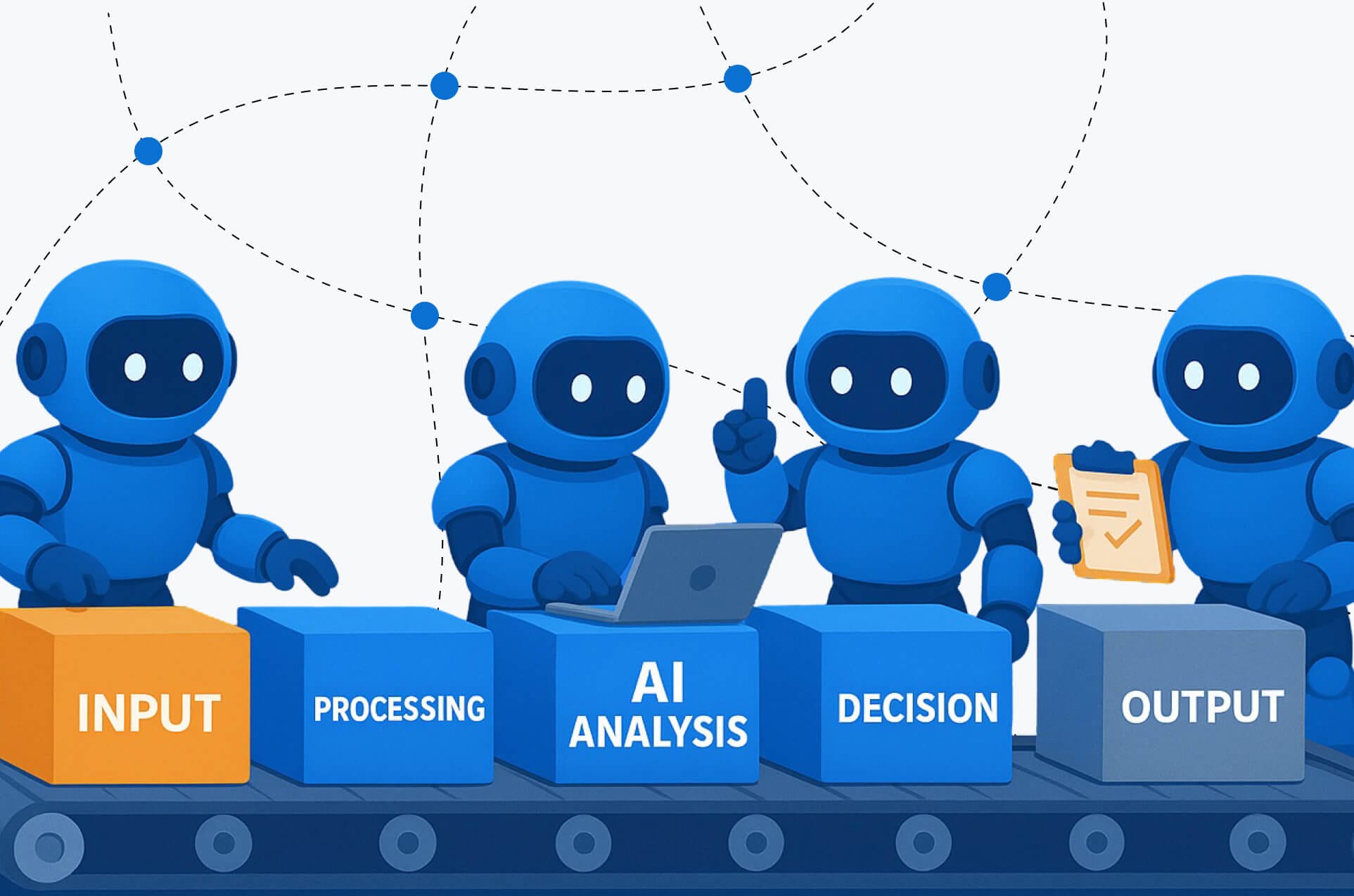
Small and medium sized businesses are under constant pressure to do more with fewer resources. Teams are expected to handle sales, customer support, administration, marketing, onboarding, and reporting without continuously increasing headcount. This is where AI workflow automation can create a significant competitive advantage.
Many business owners understand that automation is important, but they often struggle with a simple question: where should we start?
The reality is that most SMBs do not need complex enterprise software or expensive custom platforms on day one. The biggest gains often come from automating repetitive processes that consume valuable time every week.
What Is AI Workflow Automation?
AI workflow automation combines traditional business automation with artificial intelligence capabilities.
Instead of employees manually moving information between systems, sending repetitive emails, updating spreadsheets, or qualifying leads, software performs these actions automatically.
AI adds an additional layer by analyzing information, classifying data, generating content, summarizing documents, extracting insights, and supporting decision making.
For SMBs, this means less administrative work, faster response times, and more time spent on activities that directly contribute to growth.
The Biggest Mistake SMBs Make
Many businesses attempt to automate everything at once.
This usually leads to complexity, abandoned projects, and disappointing results.
A better approach is to start with processes that meet three criteria:
- Repetitive
- Time consuming
- Rule based
If a task follows the same steps every time, it is usually a strong candidate for automation.
For most SMBs, the first opportunities are found in sales, customer onboarding, operations, and administration.
What Should SMBs Automate First?
The highest ROI automation projects are often surprisingly simple.
A lead form submission can automatically create a CRM record, enrich company information, notify the sales team, and schedule follow up actions.
New customer onboarding can trigger welcome emails, account creation, document generation, internal notifications, and project setup.
Invoices can be processed automatically. Support requests can be categorized by AI before reaching the correct department. Reports can be generated without manual data collection.
The goal is not to replace employees.
The goal is to eliminate repetitive work so employees can focus on customers, strategy, and growth.
Choosing the Right Automation Approach
Not every business requires the same solution.
| Approach | Best For | Speed | Cost | Scalability |
|---|---|---|---|---|
| No Code Platforms | Simple workflows and integrations | Fast | Low | Moderate |
| AI Agents | Intelligent decision making | Medium | Medium | High |
| Custom Development | Complex business processes | Slower | Higher | Very High |
No code tools such as Make.com and n8n are often the ideal starting point for SMBs because they allow businesses to automate workflows without significant development costs.
AI agents become valuable when workflows require document analysis, lead qualification, customer communication, or data interpretation.
Custom software becomes the preferred option when automation is deeply connected to business operations, multiple systems, security requirements, or unique business rules.
Popular Tools for SMBs
The automation landscape has matured significantly in recent years.
Today, SMBs have access to tools that were previously only available to large enterprises.
| Tool | Primary Use Case |
|---|---|
| Make.com | Workflow automation and integrations |
| n8n | Flexible automation with self hosting options |
| Airtable | Operational databases and workflow management |
| OpenAI | AI powered content, classification, and analysis |
| HubSpot | CRM and sales automation |
| Slack | Internal workflow notifications |
| Google Workspace | Document and process automation |
The best solution is not necessarily the most advanced one.
The best solution is the one that solves the business problem with the lowest complexity.
A Practical Starting Point
When we work with SMBs at Scalevise, we typically begin with an automation audit.
Rather than focusing on technology first, we identify where employees spend the most time performing repetitive tasks.
In many cases, businesses discover that a handful of workflows are responsible for hundreds of lost hours every month.
These workflows are usually found in:
- Lead management
- Customer onboarding
- Internal approvals
- Reporting
- Administrative processing
- Customer communication
Once these bottlenecks are identified, automation can often be implemented within weeks rather than months.
How Scalevise Helps SMBs
At Scalevise, we help businesses identify automation opportunities, design scalable workflows, and implement practical AI solutions that deliver measurable results.
Our team combines expertise in software architecture, workflow automation, AI integration, APIs, and business process optimization. This allows us to recommend the right solution for each situation rather than forcing businesses into a specific platform.
The key is choosing the right technology at the right stage of the business.
AI workflow automation is no longer something reserved for large enterprises. SMBs now have access to powerful tools that can reduce operational costs, improve customer experiences, and free up valuable time for growth.
If you are unsure where to begin, an automation assessment is often the fastest way to identify opportunities that can deliver immediate business value.
Book a meeting below and let's explore how AI workflow automation can help your business operate more efficiently and scale with confidence.
The businesses that start automating today are often the ones that gain the strongest competitive advantage tomorrow.