
ChatGPT Images 2.6 Adds GIFs, Reference Images and Faster API Models
ChatGPT Images 2.6 expands OpenAI's image tools with animated GIF generation and reference-image workflows. Two new GPT-Image-2.6 API models also target speed and quality tradeoffs.
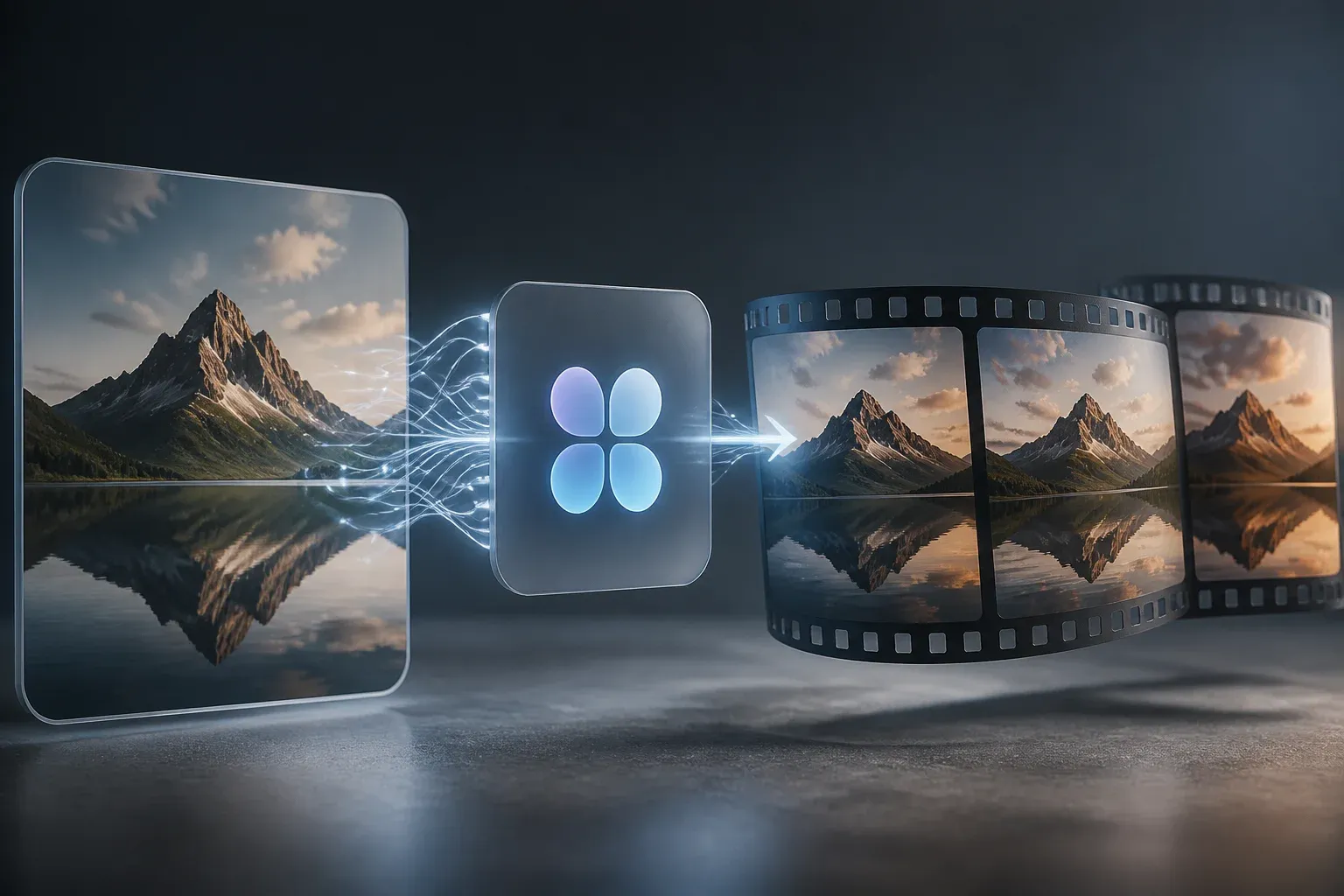
OpenAI has expanded its image-generation offering with ChatGPT Images 2.6, adding animated GIF output and reference-image workflows to ChatGPT. The update is also accompanied by two API models, GPT-Image-2.6 Flare and GPT-Image-2.6 Sunburst, which are intended to address speed and image-quality tradeoffs for developers. The Verge's coverage of the release confirms the GIF capability and the introduction of the two API models.
The practical significance is not simply that ChatGPT can make another file format. GIF creation and reference-image inputs can make image generation more useful in repeatable content workflows, where teams need visual assets that follow a recognizable style or build on an existing creative direction. For developers, the new API options signal that OpenAI is continuing to separate image-generation choices around the competing needs of turnaround time and output quality.
What ChatGPT Images 2.6 changes
The most visible addition is animated GIF generation in ChatGPT. Instead of generating only static imagery, users can now create short animated visual assets within the product's image workflow. That can be relevant for social posts, product explainers, lightweight promotional content, and internal communications where motion can convey an idea more effectively than a still image.
The update also includes reference-image workflows. The supplied reporting does not specify every control or editing behavior involved, but the addition means reference images are now part of the announced workflow. In practice, this matters because many business image tasks start with an existing asset, such as a product photograph, campaign visual, brand treatment, or earlier creative concept, rather than a blank prompt.
Coverage describes the rollout as extending across ChatGPT and Codex, alongside the API additions. OpenAI has not provided, in the supplied material, a detailed platform-by-platform feature matrix, pricing information, or a full specification for how reference images are handled.
| Part of the update | Where it is used | Confirmed purpose or capability |
|---|---|---|
| ChatGPT Images 2.6 | ChatGPT | Generates animated GIFs and includes reference-image workflows. |
| GPT-Image-2.6 Flare | API | One of two new image models introduced for speed and quality tradeoffs. |
| GPT-Image-2.6 Sunburst | API | One of two new image models introduced for speed and quality tradeoffs. |
Faster generation, without a confirmed 2.6 percentage
OpenAI's announcement described the new API models as offering faster image generation, but the available supporting reporting does not consistently substantiate a specific performance percentage for the 2.6 release. The commonly cited 50% figure should therefore not be treated as a confirmed benchmark for GPT-Image-2.6 based on the material available here.
That distinction is important for teams planning production workflows. Faster generation can improve iteration cycles, especially when a workflow creates several candidate images or needs timely assets. But companies should evaluate actual latency, image quality, reliability, and any usage costs in their own implementation before setting production expectations.
OpenAI's earlier GPT-Image-2.5 release used the Flare and Sunburst naming pattern and was associated with lower latency. The 2.6 update continues that product-family approach, but the supplied sources do not provide enough detail to make a direct, quantified performance comparison between 2.5 and 2.6.
What the update could mean for content workflows
For many teams, AI image generation becomes useful when it reduces the time spent moving from a content brief to reviewable creative options. GIF support can add motion to routine content production, while reference-image workflows may help teams begin from assets they already use rather than repeatedly recreating a visual direction in text alone.
Potential workflow applications include:
- Creating animated variants of campaign or social content.
- Using existing visual materials as references during creative exploration.
- Generating image candidates through an API for review inside a content, ecommerce, or marketing workflow.
- Selecting an API model based on whether a particular task places greater weight on speed or image quality.
These possibilities do not eliminate the need for review. Brand consistency, factual accuracy in product-related visuals, intellectual-property considerations, and approval processes remain relevant when generated assets are used publicly. The update expands the available tools, but it does not by itself define a reliable publishing process.
For developers, the API models are the more consequential part of the announcement. API access can allow image generation to sit inside existing software rather than requiring a person to work manually in a chat interface. A company might connect generation to an internal asset workflow, a content-management process, or a creative review queue. The supplied material does not describe specific integrations, so the implementation details will depend on the API documentation and the systems a team already uses.
Faster image generation and reference-driven workflows create value only when they fit the way a team creates, approves, and publishes assets. Scalevise can map a practical process, connect relevant tools, and keep necessary human review in place. Our AI workflow automation for content operations helps businesses reduce repetitive production work without treating visual quality control as an afterthought. Discuss an AI automation project with Scalevise today.
Frequently Asked Questions
Does ChatGPT Images 2.6 generate GIFs?
Yes. Coverage of the update says ChatGPT can generate animated GIFs.
What are GPT-Image-2.6 Flare and Sunburst?
GPT-Image-2.6 Flare and GPT-Image-2.6 Sunburst are two new image-generation models being introduced through OpenAI's API. They are positioned around speed and image-quality tradeoffs.
Is ChatGPT Images 2.6 confirmed to be 50% faster?
No precise 50% performance figure for the 2.6 release is consistently supported by the supplied reporting. The supported claim is that the new API models target faster image generation.
What do reference-image workflows add to ChatGPT?
The update includes reference-image workflows, meaning reference images are part of the announced image-generation process. The supplied sources do not detail the precise controls or behavior.
Conclusion
ChatGPT Images 2.6 broadens OpenAI's image tools in two practical directions: animated GIF output and reference-image workflows in ChatGPT, plus new API models for developers balancing speed and quality. The update may make visual generation easier to incorporate into everyday content processes, but teams should validate real-world output quality, timing, and workflow fit before relying on it for production use.