
Gemini App Integrations May Expand: What Businesses Should Watch Next
A brief teaser suggests more apps could connect with Gemini. No partners, dates, pricing, or capabilities have been specified, but teams can prepare for potential AI-assisted workflows.
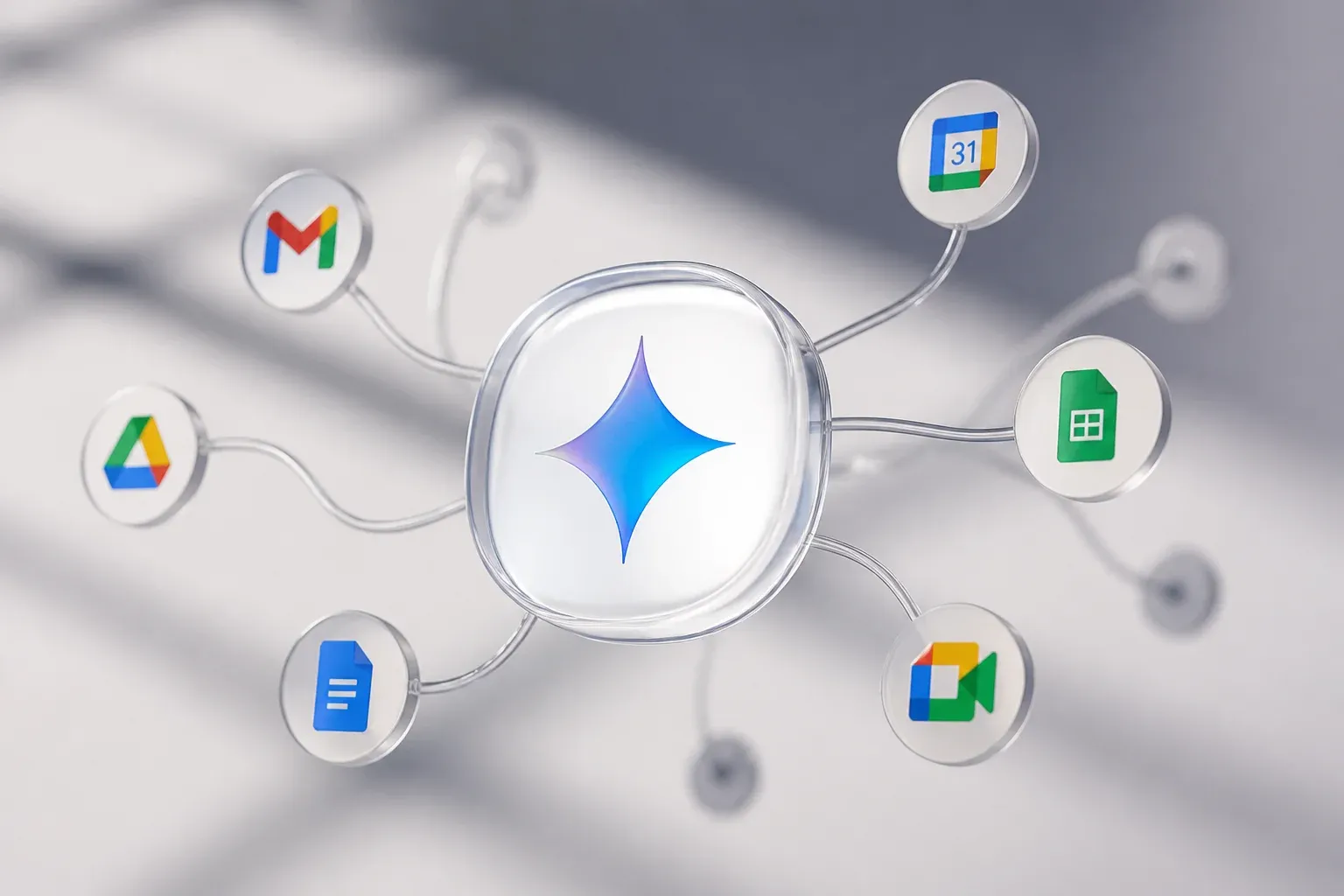
Google Gemini may be preparing to add more app integrations. The available teaser says that more users' favorite apps are coming to Gemini, but it does not identify partners, provide a launch schedule, explain functionality, or disclose any pricing changes. For businesses, the practical takeaway is not to assume a specific new capability is imminent. It is to watch for official details that could make Gemini more useful inside existing daily workflows.
App integrations can matter because they determine whether an AI assistant remains a separate destination or becomes connected to the tools people already use. A future Gemini expansion could potentially reduce context switching if it lets users access relevant information or complete supported tasks through connected services. However, the teaser alone does not establish what actions Gemini will be able to take, which apps will participate, or who will receive access.
What the Gemini teaser establishes, and what it does not
The signal is narrow: additional apps are expected to come to Gemini. It does not support claims about particular third-party services, regions, account tiers, rollout dates, data access, permissions, or automation features.
That distinction matters. An app appearing in an AI assistant can mean very different things. It might provide information retrieval, content suggestions, a link-out experience, or an ability to perform actions. Until Google publishes product documentation or a formal announcement, businesses should avoid treating any one of those models as confirmed.
The most useful questions to watch for in a future release are:
- Which apps are supported and whether they are third-party services or Google products.
- What Gemini can do with each app, such as retrieve information, draft content, or initiate a task.
- How access is controlled, including user permissions and account requirements.
- Who can use the integration, including any regional, device, plan, or workspace limitations.
- Whether pricing changes, if any, apply to the Gemini experience or the connected app.
Why connected AI experiences could matter
For many teams, the value of AI depends less on a standalone chat window than on whether it fits the work already happening across customer communication, documents, calendars, internal knowledge, and business software. Connected apps could make Gemini more relevant to routine work by reducing the manual effort of moving context between systems.
That potential is conditional. A useful integration needs clear task boundaries, reliable access to the right information, and permissions that match the user's role. A connection that only surfaces general information will have different operational value from one that can support a defined action. Businesses should evaluate each released integration on its actual capabilities, rather than on the fact that an app is listed as connected.
| Area | What the teaser indicates | What remains unknown |
|---|---|---|
| App availability | More apps are expected to come to Gemini | Which apps will be included |
| Timing | No timing was specified | Launch or rollout dates |
| Capabilities | No specific functionality was described | What Gemini can access or do in connected apps |
| Pricing | No pricing information was provided | Whether access will affect Gemini or app subscription costs |
How businesses can prepare without overcommitting
Preparation does not require waiting for a specific Gemini integration. Teams can identify the repetitive, information-heavy tasks where a connected AI assistant would be most useful, then document the systems and data involved. Examples may include preparing customer follow-ups, locating internal answers, summarizing approved materials, or moving information between commonly used tools. These are workflow candidates, not confirmed Gemini use cases.
It is also sensible to map who owns each process and what information should remain inaccessible to an AI-connected tool. That groundwork helps a business assess a future integration quickly when its supported actions, permissions, and commercial terms are made public.
Potential Gemini app connections matter because they could bring AI closer to the software your team already relies on. The opportunity is strongest when a new capability solves a defined workflow problem rather than adding another disconnected tool. Scalevise can help you identify practical AI use cases, assess system dependencies, and build an implementation plan around real business processes. Explore practical AI consultancy for connected workflows and request a consultation.
Frequently Asked Questions
What has been announced about new Gemini app integrations?
A teaser indicates that more apps are coming to Gemini. It does not name the apps or describe their capabilities.
When will additional apps arrive in Gemini?
No rollout date or timing has been provided in the supplied material.
Will new Gemini app integrations cost extra?
No pricing information has been provided. Any effect on Gemini plans or connected app subscriptions remains unknown.
Can businesses plan Gemini automation around these integrations now?
Businesses can identify suitable workflows and system dependencies, but should not plan around specific Gemini capabilities until official details explain what each integration supports.
Conclusion
The signal around additional Gemini apps points to a potentially broader connected-app experience, but the material does not establish which services, functions, dates, or pricing will be involved. Businesses should treat it as a reason to identify valuable workflow opportunities and wait for official product details before making implementation decisions.