
Microsoft MAI Image 2.7 Reaches Vercel AI Gateway With 2K and Transparent Assets
Microsoft has released MAI Image 2.7 and MAI Image 2.7-Flash in public preview, adding 2K image output and transparent-background generation to Vercel AI Gateway.
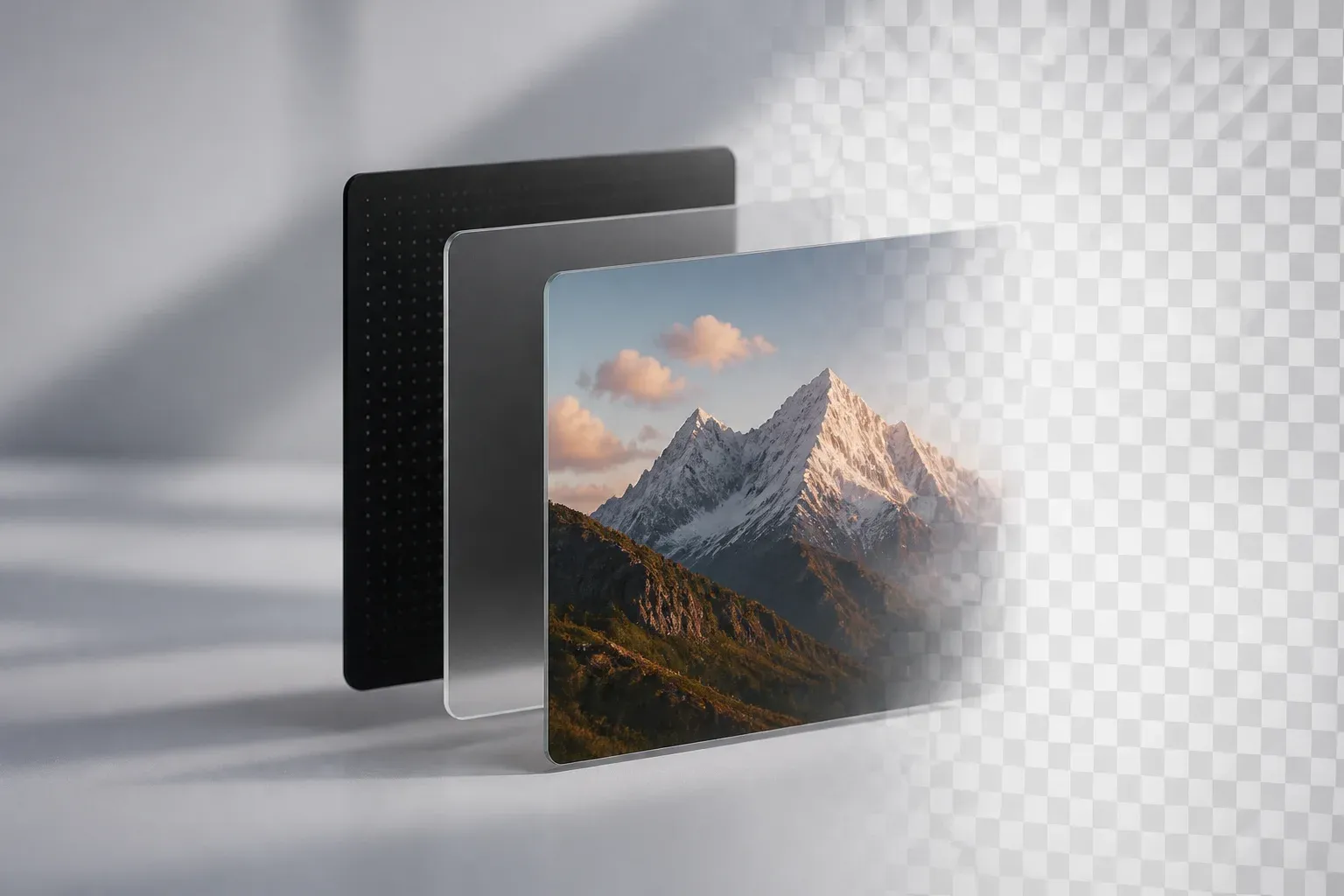
Microsoft AI has expanded its image-generation lineup with MAI Image 2.7 and MAI Image 2.7-Flash, two public-preview models that are now available through Vercel AI Gateway. The release gives developers access to image generation and reference-image editing with output up to 2048 x 2048 pixels, including transparent backgrounds. For teams producing marketing and product visuals at volume, the notable change is a choice between a higher-quality final-image model and a faster, lower-cost option for iteration.
Vercel confirmed that MAI Image 2.7 and MAI Image 2.7-Flash are available on AI Gateway. Both models can be called with a single AI Gateway API key, using the model IDs microsoft/mai-image-2.7 and microsoft/mai-image-2.7-flash. That makes the launch relevant not only to standalone creative work, but also to software teams that want to add image generation to existing applications and content workflows.
Microsoft's November 17, 2026 announcement positions the release as an expansion of the MAI Image family across Microsoft Foundry and partner services including Fal.ai, Genspark, OpenRouter and Vercel. The models remain in public preview, so businesses should expect the product and its operating details to continue evolving before general availability.
What MAI Image 2.7 and Flash add to image workflows
The two models share core capabilities, but are intended for different stages of a visual-production process. MAI Image 2.7 is aimed at higher final-image quality. MAI Image 2.7-Flash is designed for faster, more economical exploration and variation generation.
| Area | MAI Image 2.7 | MAI Image 2.7-Flash |
|---|---|---|
| Primary positioning | Higher final-image quality | Speed and lower-cost exploration |
| Maximum output | 2048 x 2048 pixels | 2048 x 2048 pixels |
| Transparent backgrounds | Supported | Supported |
| Rough public-preview price cited by Microsoft | About $35 per 1,000 images | About $10 per 1,000 images |
The 2048 x 2048 maximum output matters because it supports more reusable source assets than lower-resolution generation alone. A team can create an image intended for a product page, campaign creative or a social post without necessarily starting from a small, channel-specific file. Transparent-background generation is similarly practical: it can reduce the manual work required to isolate a generated object before placing it on a branded layout, product page or presentation.
The release also supports both prompt-based generation and editing from reference images. In practice, that creates a path for workflows where a team begins with an existing visual, asks the model to alter or extend it, then moves the result into its normal design or publishing tools. The models do not remove the need for brand review, but they can make early creative iteration quicker.
Microsoft has also introduced Canvas, an interactive MAI Labs workspace powered by MAI Image 2.7-Flash. Canvas is intended to bring creating, editing and refining images into one workspace. Alongside API access, Microsoft says MAI Image powers Bing Image Creator, placing the model family in both developer-oriented and consumer-facing contexts.
Pricing makes the two-model approach operationally useful
Microsoft lists approximate public-preview pricing of $35 per 1,000 images for MAI Image 2.7 and $10 per 1,000 images for MAI Image 2.7-Flash. These are rough figures from Microsoft's announcement, not a guarantee of a future general-availability price.
The gap is important for teams that generate multiple creative directions before selecting a final asset. Flash can be used to test prompts, compositions and variations at a lower stated cost, while MAI Image 2.7 can be reserved for images that need the model's higher-quality positioning. This is a workflow decision rather than simply a model-selection decision.
Potential uses supported by the release's capabilities include:
- Producing transparent-background visual components for marketing layouts.
- Generating campaign concepts and image variations before creative review.
- Editing reference images to create adapted visual assets.
- Building image-generation features into internal tools or customer-facing software through AI Gateway.
Integration is the larger business story
The availability of the same model family through Foundry, AI Gateway and several partner services broadens the routes through which teams can test or deploy it. On Vercel AI Gateway, a single API key can access the two MAI Image models, which may simplify experimentation for developers already using that platform.
For a business, the practical question is not only whether the images look useful. It is whether image generation can fit into an existing chain of work, such as collecting a product brief, generating variants, routing the selected asset for approval and placing it in a publishing system. The public-preview status makes controlled testing particularly sensible. Teams should validate output quality, prompt consistency, transparency handling and the real cost of their own generation volume before treating either model as a production standard.
Scalevise can help turn image-model access into a dependable process rather than another disconnected tool. From prompt inputs and approval steps to API connections with the software your team already uses, our AI workflow automation services focus on reducing repetitive creative operations while retaining practical oversight. A clear workflow also makes it easier to test Flash for high-volume iteration and reserve higher-quality generation where it matters most. Discuss an AI image automation project with Scalevise.
Frequently Asked Questions
Is MAI Image 2.7 available on Vercel AI Gateway?
Yes. MAI Image 2.7 and MAI Image 2.7-Flash are available in public preview on Vercel AI Gateway.
What is the difference between MAI Image 2.7 and MAI Image 2.7-Flash?
MAI Image 2.7 is positioned for higher final-image quality. MAI Image 2.7-Flash is positioned for faster, lower-cost exploration and image variations.
What output size and background options do the models support?
Both models support output up to 2048 x 2048 pixels and can generate or edit images with transparent backgrounds.
How much do the MAI Image models cost in public preview?
Microsoft lists rough public-preview pricing of about $35 per 1,000 images for MAI Image 2.7 and about $10 per 1,000 images for MAI Image 2.7-Flash.
Conclusion
MAI Image 2.7 and MAI Image 2.7-Flash give developers a clearer quality-and-cost choice for AI image workflows, while adding 2K output and transparent-background support through Vercel AI Gateway. Their public-preview availability across several channels makes the models easier to evaluate, but businesses should test them against their own creative standards, integration needs and usage volumes before relying on them for production.