
OpenAI Acquires Orchestra Bio to Expand Rosalind Into Drug Development Operations
OpenAI's acquisition of Orchestra Bio points to a broader role for Rosalind, extending life sciences AI from research support into drug-development planning and coordination.
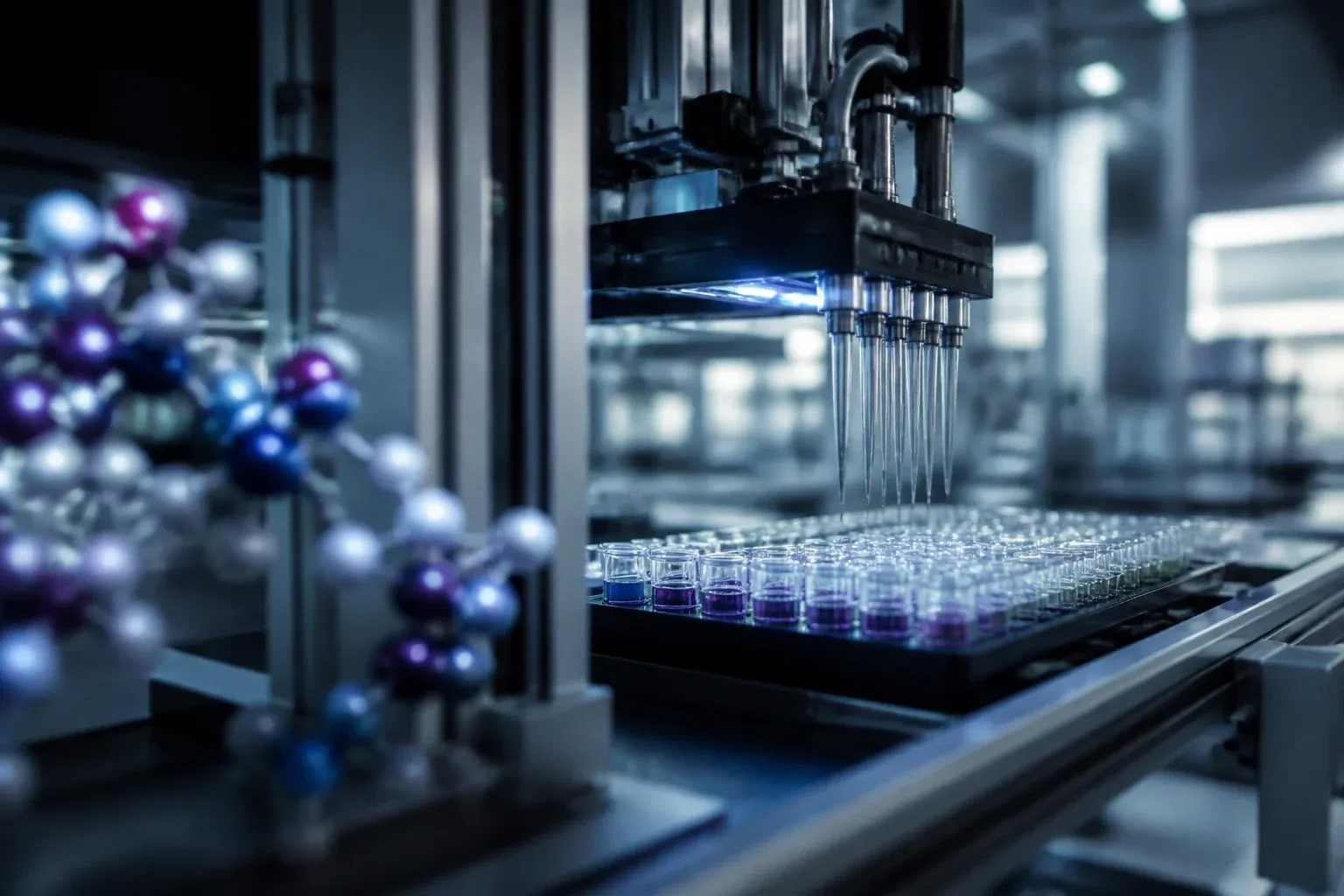
OpenAI has acquired Orchestra Bio, a startup building AI agents for pharmaceutical development workflows. The deal brings Orchestra Bio's team and technology into Rosalind, OpenAI's life sciences AI ecosystem, with the stated goal of streamlining operations that connect research findings, planning, and drug-development decisions.
The acquisition matters because drug development is not only a scientific challenge. Biopharma teams must coordinate experimental data, program timelines, financial assumptions, risk assessments, and decisions across internal teams and external research partners. According to Axios's report on the Orchestra Bio acquisition, OpenAI intends to integrate Orchestra's capabilities into Rosalind to help connect scientific findings and procedural choices with the next steps in development.
What Orchestra Bio adds to Rosalind
Orchestra Bio markets an agentic operations system for research and development. Its platform is designed around the operational work that sits alongside laboratory and clinical progress, rather than around scientific analysis alone. Reported capabilities include centralized R&D planning, financial modeling, AI-assisted tracking of progress and risks, scenario modeling, and an AI-powered knowledge base.
That makes Orchestra Bio a potentially important addition to Rosalind. OpenAI's existing life sciences direction includes GPT-Rosalind, Rosalind Workbench, and Rosalind Biodefense initiatives. Bringing an operational platform into that ecosystem could expand the role of Rosalind from AI models and research tools toward a more connected environment for coordinating development programs.
The reported integration is intended to support work from "bench to boardroom." In practical terms, that describes the handoff between scientific work and the operating decisions that determine what happens next: how a program is planned, which risks are monitored, how alternatives are modeled, and how teams align around changing evidence.
| Area | Orchestra Bio's reported platform focus | Planned role within Rosalind |
|---|---|---|
| R&D coordination | Centralized R&D planning | Streamline drug-development operations |
| Decision support | Scenario modeling and financial modeling | Connect findings and procedural decisions to next steps |
| Program oversight | AI-assisted progress and risk tracking | Support coordination across development work |
| Knowledge access | AI-powered knowledge base | Part of OpenAI's Rosalind life sciences ecosystem |
The table describes the reported direction of integration, not a published product specification. OpenAI has not disclosed a timetable for integrating Orchestra Bio into Rosalind, nor has it published product packaging, customer eligibility, or pricing for any combined offering. Financial terms of the acquisition were also not disclosed.
Why operational orchestration matters in drug development
Drug-development programs generate decisions as well as data. A promising research result may require teams to revise a plan, assess a risk, update budget assumptions, coordinate with a contract research organization, or compare development scenarios. Those tasks are often distributed across documents, planning tools, meetings, and specialist systems.
An AI-driven operations layer could be valuable if it makes those links easier to follow and act upon. The potential benefit is not simply producing summaries. It is creating a more usable connection between the state of a program and the actions teams need to take next. Orchestra Bio's focus on planning, risk tracking, financial modeling, and knowledge management maps directly to that operational gap.
For biotech companies with lean internal teams or extensive external research partnerships, coordination can be especially consequential. A more connected system could reduce manual status gathering and help teams maintain a clearer view of program assumptions and changes. However, the eventual practical value will depend on details that have not been released, including how Rosalind connects with existing data sources and workflow tools, what level of human review is built into decisions, and which capabilities become available to customers.
What the deal could mean for AI pharma tools
The acquisition signals OpenAI's interest in the operational side of life sciences work, not only the underlying AI models used for research. If Orchestra Bio's platform is integrated as described, Rosalind could cover a broader set of activities across the development lifecycle.
That does not establish a finished end-to-end product today. The reported plan is to build on Rosalind with Orchestra's technology, and the scope of the resulting offering remains to be disclosed. Businesses evaluating AI tools for life sciences should therefore distinguish between the acquisition itself and the capabilities that may become commercially available after integration.
The next disclosures to watch are straightforward:
- An integration timeline for Orchestra Bio's team and platform.
- Details on which Rosalind products will incorporate operational workflow features.
- Pricing, access, and availability information.
- Technical information on integrations with biopharma planning, research, and data systems.
For companies that rely heavily on contract research organizations, these details will be particularly important. Workflow value depends on whether a tool can reflect the real handoffs, records, and planning processes used across internal and external teams.
For life sciences organizations, the acquisition reinforces a practical question: where do research insights lose momentum before they become decisions and coordinated work? Scalevise helps teams assess where AI can reduce manual coordination, connect fragmented tools, and support clearer operational workflows through practical AI implementation planning. A focused assessment can identify high-value use cases before a team commits to new platforms or integrations. Request an AI consultancy conversation to map the most useful opportunities.
Frequently Asked Questions
What did OpenAI acquire?
OpenAI acquired Orchestra Bio, a startup that builds AI agents and an operations platform for pharmaceutical research and development workflows.
How will Orchestra Bio relate to Rosalind?
OpenAI said it will integrate Orchestra Bio's team and technology into Rosalind, its life sciences AI ecosystem, to streamline drug-development operations.
What capabilities does Orchestra Bio's platform cover?
Orchestra Bio describes capabilities including centralized R&D planning, financial modeling, scenario modeling, AI-assisted progress and risk tracking, and an AI-powered knowledge base.
Has OpenAI announced pricing or availability for an integrated product?
No pricing, availability, product packaging, or integration timeline was disclosed in the reported acquisition details.
Why is the acquisition relevant to biotech companies?
The planned integration could help connect scientific findings with planning and operational decisions, although the final product scope and customer access remain undisclosed.
Conclusion
OpenAI's acquisition of Orchestra Bio extends its life sciences ambitions into the operational work surrounding drug development. By bringing planning, risk tracking, modeling, and knowledge-management capabilities toward Rosalind, OpenAI is positioning the ecosystem around coordination as well as research. The acquisition is confirmed, but its commercial impact will depend on the integration roadmap, product details, and availability OpenAI discloses next.