
OpenAI Ads: ChatGPT Advertising Is Changing Digital Marketing
OpenAI Ads is introducing a new era of ChatGPT Advertising built around conversational intent instead of traditional keyword targeting. Discover how OpenAI Ads work, how businesses can advertise inside ChatGPT, and why AI visibility is becoming essential for future digital marketing success.
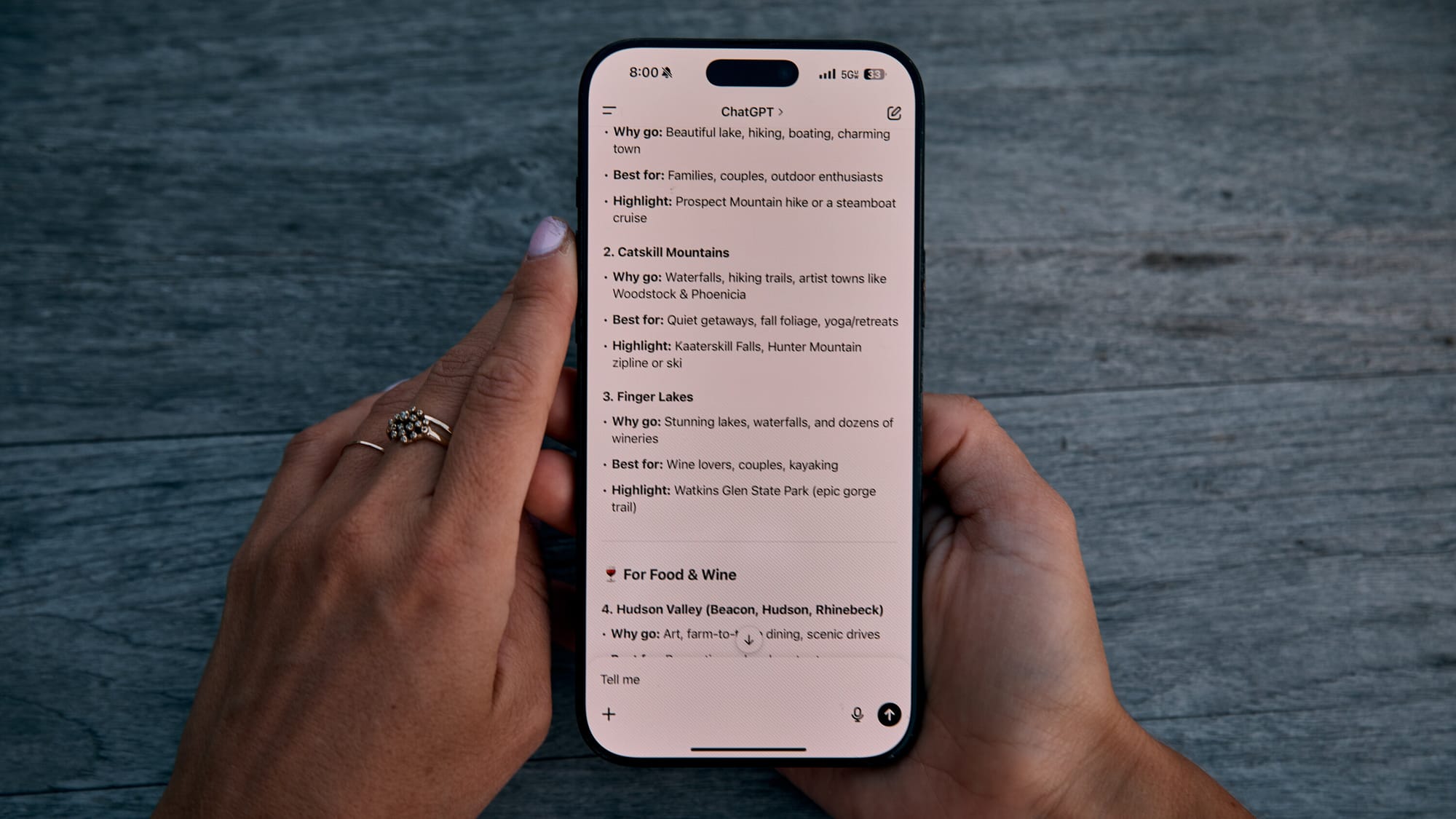
With the launch of the new OpenAI Ads platform and ChatGPT Advertising infrastructure, OpenAI is officially entering the advertising market with a completely different approach. Instead of targeting users based purely on keywords or browsing behavior, ChatGPT Advertising is built around conversations, intent, and contextual understanding.
This changes how businesses can reach potential customers. It also changes how SEO, GEO, and AI visibility will work moving forward.
At Scalevise, we have been closely monitoring the evolution of AI search and conversational discovery for a long time. One thing has become increasingly clear: traditional SEO alone is no longer enough. Businesses now need visibility inside AI systems themselves, including ChatGPT, Gemini, Claude, Copilot, and Perplexity.
OpenAI Ads is one of the clearest signals yet that conversational AI is becoming its own ecosystem.
What Is OpenAI Ads?
OpenAI Ads is OpenAI’s advertising platform designed specifically for ChatGPT.
Instead of traditional banner ads or intrusive popups, the platform focuses on contextual advertising inside conversations. OpenAI describes this as advertising that “fits naturally into the experience.”
The idea is relatively simple.
When users are actively researching products, comparing services, or exploring options inside ChatGPT, advertisers may be able to appear in relevant moments during those conversations.
This is fundamentally different from traditional search advertising.
Google Ads traditionally reacts to typed keywords. ChatGPT Advertising reacts to conversational intent and broader contextual signals.
For example, somebody asking:
“Which CRM is best for scaling an ecommerce business?”
creates significantly richer context than a standard keyword search like:
“best ecommerce CRM”
That conversational context allows OpenAI’s system to understand intent at a much deeper level.
How ChatGPT Advertising Works
According to OpenAI’s Ads documentation and Ads Manager resources, the platform currently works through campaigns, ad groups, contextual matching, and conversational relevance signals. OpenAI Help Center
The process currently looks roughly like this:
- Businesses create an advertiser account
- Campaigns are configured inside Ads Manager
- Advertisers define budgets, bidding strategies, and goals
- Ad groups contain “context hints”
- Ads are matched to relevant conversations inside ChatGPT
Unlike traditional keyword targeting, OpenAI uses broader conversational matching systems.
OpenAI explicitly states that context hints are not exact keyword targeting rules. Instead, they help the system understand which types of conversations are relevant for an advertiser.
Instead of targeting isolated keywords, businesses will need to think about:
- User intent
- Decision-making moments
- Conversational journeys
- AI-readable positioning
- Semantic relevance
- Authority and trust signals
This is exactly where GEO and AI visibility optimization become important.
OpenAI Ads Manager Explained
OpenAI has also launched a beta self-serve Ads Manager. OpenAI
The platform allows advertisers to:
- Create campaigns
- Upload ads
- Configure budgets
- Manage billing
- Monitor impressions and clicks
- Track campaign performance
OpenAI recently confirmed support for CPC bidding in addition to CPM-based models.
That matters because ChatGPT conversations are often highly commercial and intent-driven.
Users inside ChatGPT are not casually scrolling like on social media. Many conversations involve active research, comparisons, purchasing decisions, workflow exploration, or strategic planning.
That creates high-value intent moments.
From a marketing perspective, this could eventually become one of the most valuable advertising environments online.
Why OpenAI Ads Are Different From Google Ads
The biggest difference is context depth.
Google primarily understands search intent through keywords and historical behavior. ChatGPT understands intent through natural language conversation.
This gives AI-native advertising systems significantly more contextual understanding than traditional search advertising platforms.
Why Businesses Should Pay Attention Now
Most companies are still heavily focused on Google rankings and social advertising.
Very few are preparing for AI-native discovery systems.
That creates an opportunity window.
Businesses that start optimizing for conversational AI visibility early may gain significant advantages before competition increases.
At Scalevise, we already see clear patterns emerging:
- AI systems rely heavily on structured content
- Entity clarity matters
- Semantic relevance matters
- Citability matters
- Trust signals matter
- Brand consistency matters
- External references influence visibility
This is why AI visibility optimization is becoming its own category next to traditional SEO.
Advertising inside ChatGPT will likely amplify this even further.
Companies that are already highly visible and well-understood by AI systems may naturally perform better in conversational advertising environments as well.
The Rise of AI-Native Marketing
The bigger picture here is not just advertising.
It is the transition from search-driven discovery to conversation-driven discovery.
That changes how brands need to position themselves online.
Traditional marketing funnels assumed users moved through websites, search engines, and landing pages.
AI assistants compress that journey.
Users increasingly ask ChatGPT directly for:
- Recommendations
- Product comparisons
- Software suggestions
- Service providers
- Buying advice
- Strategic guidance
That means visibility inside AI systems is becoming commercially critical.
The companies that understand this shift early will likely outperform competitors that continue relying solely on traditional SEO strategies.
Final Thoughts
OpenAI Ads and ChatGPT Advertising represent the beginning of a major shift in digital marketing.
This is not just another ad platform. It is the early foundation of AI-native advertising, built around conversations instead of keywords.
The businesses that adapt early to conversational visibility, AI discoverability, and contextual marketing will likely gain a major advantage over the next few years.
Search behavior is changing rapidly. And increasingly, the first place people ask questions is no longer Google. It is ChatGPT.