
OpenAI Student Collective Opens a Funded Campus Lead Program for Undergraduates
OpenAI has opened applications for the Student Collective, a yearlong program that supports undergraduate Campus Leads running AI learning and project activities.
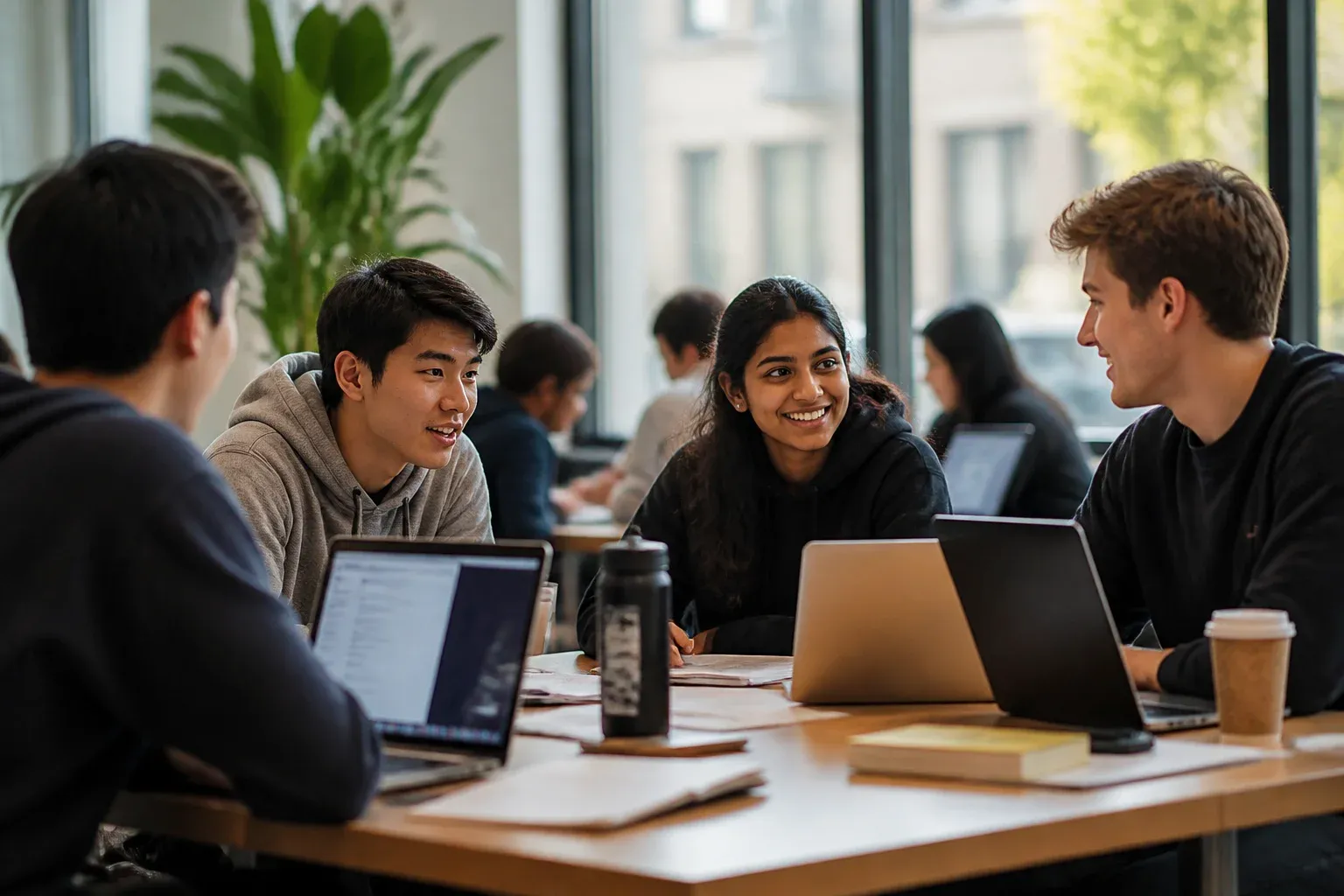
OpenAI has opened applications for the OpenAI Student Collective, a yearlong program that will support undergraduate students leading AI learning, projects and events at their universities. The initiative pairs two Campus Leads at each campus and provides funding, training, access to OpenAI tools and a semesterly cash stipend.
The program gives OpenAI a structured route to work with students who can organize local AI activity, rather than limiting engagement to individual tool access. According to OpenAI's Student Collective program page, applications are open through August 10, 2026. Onboarding is scheduled for late August, campus programming begins in September, and the first program cycle runs through June 2027.
How the OpenAI Student Collective works
Campus Leads are expected to work in pairs to build activity on their campuses. That could include events, projects and showcases, with OpenAI directly funding and supporting those efforts. The two-lead structure is notable because it distributes the organizational workload rather than putting a campus program on one student.
Timeline and participant support
The Student Collective is structured as a sustained academic-year commitment, not a short-term event or isolated product promotion. Participants are expected to commit roughly 4-6 hours a week from August 2026 through June 2027.
OpenAI says Campus Leads will receive:
- A ChatGPT subscription and Codex credits for the duration of the program
- Funding and merchandise for campus activities
- Training and resources covering OpenAI tools
- Access to a global community of Campus Leads
- A cash stipend each semester
- A potential visit to OpenAI headquarters in June 2027
This combination matters because student organizers often need both practical tools and budget authority to turn interest into recurring campus programming. The program connects AI access with the operational support required to host events and develop projects.
| Participation situation | What OpenAI states | What it means |
|---|---|---|
| Students in the initial countries | The program is initially available in the United States, Canada, the United Kingdom, France, Germany, India, Japan and South Korea. | Eligible undergraduates in these markets can apply for Campus Lead roles. |
| Students located elsewhere | Students can express interest if they are outside the initial availability areas. | OpenAI has left a path for interest beyond the initial geographic scope, without confirming wider availability. |
| Campuses without a recognized club | Students can participate in campus activities even if their campus is not yet officially recognized as a club. | Formal club status is not presented as a prerequisite for involvement. |
Eligibility and campus reach
Applicants must be undergraduate students, at least 18 years old, enrolled as of August 2026 and planning to graduate after December 2027. OpenAI says prior AI expertise is not required, and the program is intended to be inclusive across academic majors.
That eligibility design broadens the potential role beyond computer science departments or existing AI clubs. A Campus Lead could help connect students who are exploring AI for technical work, creative work, research or other academic projects, while the shared-lead model creates a built-in collaboration structure.
Why the program matters for university AI activity
The Student Collective formalizes an OpenAI-led channel for student education and community building in higher education. It also links students' local programming to direct access to ChatGPT and Codex, giving Campus Leads resources they can use while organizing projects and workshops.
For universities, the immediate impact will depend on how participants use the support. The program does not establish a university-wide deployment or curriculum requirement. Instead, it places student organizers at the center of campus AI engagement. If the model gains traction across its initial markets, it could provide a scalable way to expand AI literacy and student project development through peer-led activity.
The initiative also signals that university engagement can extend beyond institutional agreements. By working with undergraduates directly, OpenAI can build a global network of students who share practices, run local events and introduce peers to its tools. The program's stated duration through June 2027 gives those activities time to develop beyond a single orientation or showcase.
Organizations considering how student-led AI programs connect with broader workflows can work with Scalevise on AI strategy, implementation and automation that aligns tool adoption with practical governance and operational needs.
Frequently Asked Questions
What is the OpenAI Student Collective?
The OpenAI Student Collective is a program for undergraduate Campus Leads who organize AI learning, projects, events and showcases at their campuses with support from OpenAI.
When can students apply for the OpenAI Student Collective?
Applications are open through August 10, 2026. OpenAI plans to begin onboarding in late August 2026, with campus programming starting in September 2026.
Who is eligible to become a Campus Lead?
Applicants must be undergraduate students aged 18 or older, enrolled as of August 2026, planning to graduate after December 2027 and able to commit roughly 4-6 hours per week through June 2027. Prior AI experience is not required.
What do OpenAI Student Collective participants receive?
Campus Leads receive a ChatGPT subscription, Codex credits, campus activity funding, merchandise, training, resources, access to a global network and a cash stipend each semester. OpenAI also lists a potential headquarters visit in June 2027.
Where is the program initially available?
The program is initially available to students in the United States, Canada, the United Kingdom, France, Germany, India, Japan and South Korea. Students elsewhere can express interest.
Conclusion
OpenAI's Student Collective turns campus AI engagement into a supported, yearlong leadership program for undergraduates. Its combination of funding, tool access and peer-led programming could help participating students create more sustained AI learning and project communities, while giving OpenAI a direct and structured presence across university campuses.