
Waymo Ojai Debuts a Three-Screen Cabin and Sixth-Generation Driver in Rider Rollout
Waymo has begun introducing Ojai, a rider-focused vehicle platform with a redesigned cabin, accessibility features, app controls, and its sixth-generation Waymo Driver.
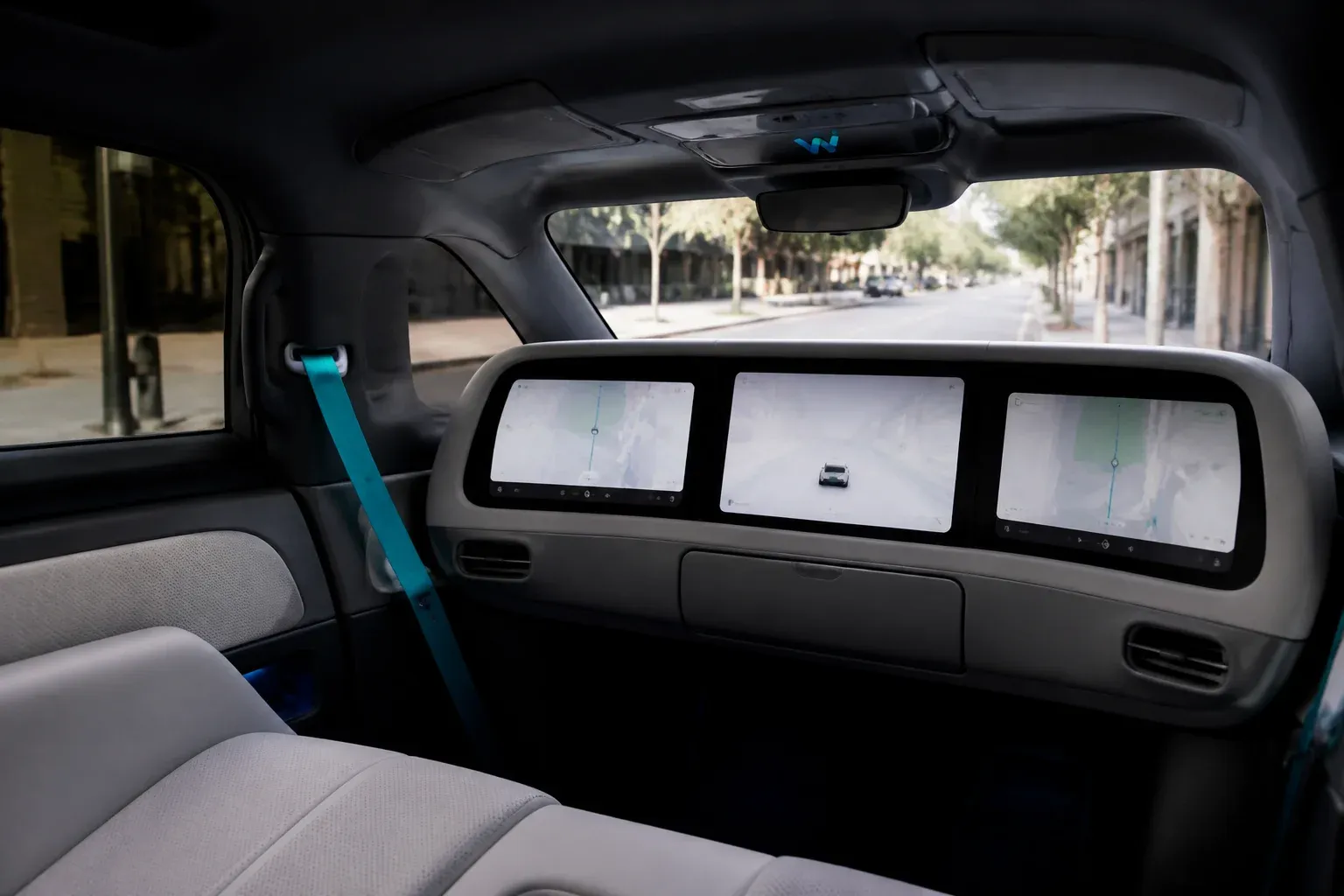
Waymo has begun rolling out Ojai, a new rider-focused vehicle platform that combines a redesigned, three-screen cabin with the company's sixth-generation Waymo Driver. The update is significant because it expands the autonomous vehicle experience beyond the driving system itself: Waymo is placing more emphasis on passenger control, accessibility, and the in-car interface as it prepares to scale the platform across more cities.
In its official Ojai rider rollout announcement, Waymo describes the vehicle as a purpose-built platform with an interior intended to feel like a "living room on wheels." The company is introducing Ojai first to select riders in San Francisco, Phoenix, and Los Angeles, using free rides to collect feedback before moving to paid service.
A cabin interface built around passenger control
The most visible change in Ojai is its three large LED screens, which make the cabin a more active part of the ride. Riders can customize elements such as climate and audio, with controls connected to the Waymo app. That gives passengers a more direct way to adjust their environment instead of treating the vehicle as a fixed, opaque service experience.
The design matters because autonomous rides remove the conventional driver-passenger interaction that can help riders resolve small issues in a traditional car. In Ojai, the interface becomes part of that relationship. Waymo's approach is to make common preferences more visible and controllable while preserving the focus on the trip itself.
The new vehicle also incorporates accessibility features intended to broaden usability for riders with disabilities. Waymo highlights:
- Embedded braille in the vehicle environment.
- Screen-reader compatibility for the in-car experience.
- A seat-integrated handle designed to assist riders entering and exiting the vehicle.
These details position accessibility as part of the core product design rather than a separate add-on. The three-screen layout and the supporting app experience also create a clearer foundation for future service design, since riders can interact with trip-related controls through both the cabin and their phone.
Ojai's payment experience includes Google Pay integration, according to the verified rollout materials. This is a practical customer-experience change, not evidence of a broader new Google product integration inside the vehicle. The confirmed development is Waymo's combination of app-based customization, payment support, and a redesigned passenger interface.
For organizations studying how AI-driven services should connect physical environments, mobile apps, payment flows, and accessible interfaces, Scalevise can help evaluate the required software integrations, automation design, and implementation architecture.
The new vehicle platform also advances Waymo's operating plan
Ojai is the first vehicle platform to debut the sixth-generation Waymo Driver. Waymo says this generation enables operation in snowier conditions and supports scaling at its Mesa, Arizona factory, which the company is targeting to produce tens of thousands of units annually.
That pairing is central to the announcement. A more polished passenger cabin can improve the rider experience, but Waymo's ability to bring the vehicle to additional markets depends on the autonomous driving system and manufacturing plan behind it. The sixth-generation Driver is therefore both a technical and operational component of the Ojai launch.
Waymo's rollout is phased rather than simultaneous across all announced markets. Select riders in San Francisco, Phoenix, and Los Angeles are the first group to receive access. The company has also said it plans to expand Ojai to Denver, Las Vegas, and San Diego later in 2026. A June 10 Waymo Help entry reiterated availability in Phoenix, Los Angeles, and San Francisco, while noting the transition from introductory free trips to paid service.
| Rollout stage | Locations | Service approach |
|---|---|---|
| Initial rider rollout | San Francisco, Phoenix, Los Angeles | Select riders receive introductory free trips for feedback, followed by paid service |
| Planned later expansion | Denver, Las Vegas, San Diego | Waymo plans expansion later in 2026 |
The staged approach gives Waymo an opportunity to refine both the vehicle and customer experience before extending availability. It also makes clear that Ojai is not simply a cabin refresh. It is a platform launch tied to a new generation of the Waymo Driver, manufacturing ambitions in Arizona, and a multi-city deployment plan.
For riders, the immediate change is a more personal and accessible cabin. For Waymo, the larger test is whether that experience can remain consistent as the company expands Ojai across markets and moves riders from introductory access to regular paid trips.
Frequently Asked Questions
What is Waymo Ojai?
Waymo Ojai is a new vehicle platform built around the sixth-generation Waymo Driver. It includes a purpose-built interior, a redesigned in-car interface, and accessibility-focused features.
What can riders control in the Ojai cabin?
Riders can customize settings such as climate and audio through the vehicle's three large LED screens and the Waymo app.
Where is Waymo rolling out Ojai first?
Waymo is beginning with select riders in San Francisco, Phoenix, and Los Angeles. The company plans to expand to Denver, Las Vegas, and San Diego later in 2026.
What accessibility features does Ojai include?
Waymo highlights embedded braille, screen-reader compatibility, and a seat-integrated handle to improve usability for riders with disabilities.
Does Ojai support Google Pay?
Yes. Verified rollout materials identify Google Pay as part of the Ojai customer payment experience.
Conclusion
Waymo Ojai brings the company's autonomous driving technology and rider experience into a single new platform. Its three-screen cabin, app-based controls, accessibility features, and phased deployment make the launch an important step in how Waymo presents robotaxi travel to passengers, while the sixth-generation Waymo Driver and Mesa production target frame the broader path to scale.