
AI Lead Qualification vs Manual Sales Qualification: Key Differences and Growth Impact
A strategic comparison between AI lead qualification and manual sales qualification, focusing on performance, scalability, and real revenue impact for modern sales teams.
Which Method Generates Higher Quality Leads and Scalable Revenue?
Lead qualification determines whether your sales pipeline is an asset or
a liability. Poor qualification wastes time, inflates forecasts, and frustrates sales teams. Strong qualification increases close rates and improves revenue predictability.
The comparison between AI lead qualification vs manual sales qualification is no longer theoretical. Companies must decide how they want to structure their revenue engine: human-driven filtering, AI-driven intelligence, or a hybrid approach.
Let's examine the differences in depth.
What Is Manual Sales Qualification?
Manual sales qualification is the traditional process where sales representatives evaluate leads using frameworks such as BANT or MEDDIC. A human reviews submitted data, conducts discovery calls, and determines whether the opportunity is worth pursuing.
This method provides flexibility. Sales professionals can interpret tone, hesitation, and contextual nuance that structured data may not capture. In enterprise or relationship-driven sales environments, this can be valuable.
However, manual qualification introduces structural limitations:
- Response time depends on availability
- Qualification criteria vary between representatives
- CRM updates are often inconsistent
- Scaling requires proportional headcount growth
As lead volume increases, bottlenecks emerge. Delays reduce conversion probability, and inconsistent qualification logic impacts forecasting accuracy.
Manual qualification works, but it does not scale efficiently.
What Is AI Lead Qualification?
AI lead qualification uses artificial intelligence to evaluate and score leads automatically. Instead of waiting for a sales rep to assess interest, AI systems analyze data in real time, including behavioral signals, website interactions, engagement history, and form responses.
Based on this data, the system determines whether a lead is sales-ready, requires nurturing, or should be deprioritized.
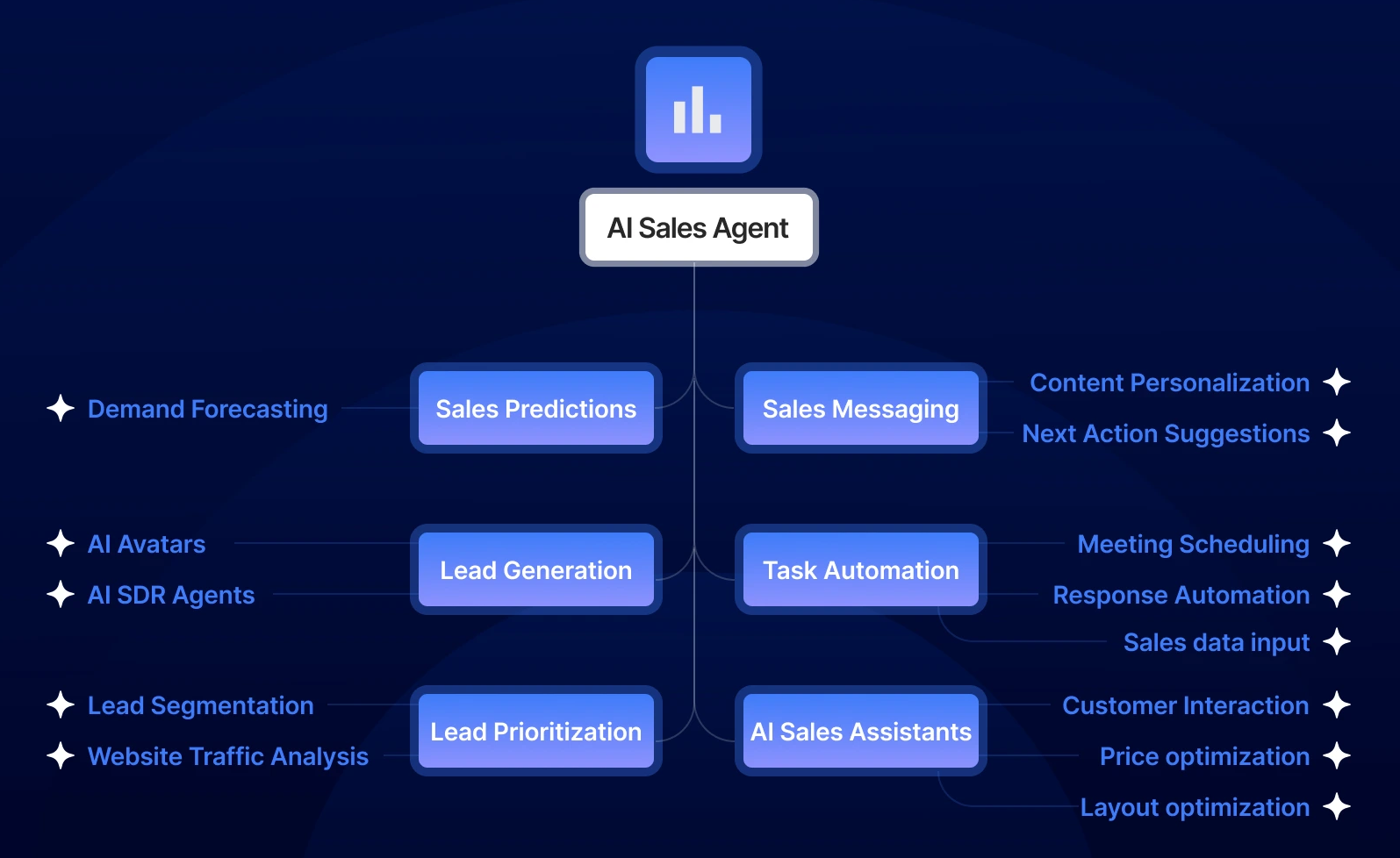
Modern AI qualification systems can:
- Ask dynamic follow-up questions through chat or email
- Score leads instantly using predictive models
- Route qualified leads to the right sales representative
- Update CRM records automatically
The key distinction is automation combined with data consistency. AI applies the same qualification framework to every lead without fatigue, bias, or delay.
AI- vs Manual Sales Qualification: Core Differences
Speed and Response Time
Speed directly affects win rates. Prospects often contact multiple vendors simultaneously. AI systems respond instantly, while manual qualification depends on business hours and workload. Faster engagement increases the likelihood of securing meetings.
Consistency and Data Integrity
Human judgment varies. Two sales representatives may interpret the same lead differently. AI enforces standardized logic, improving reporting accuracy and revenue forecasting.
Scalability and Cost Structure
Manual qualification scales linearly with headcount. AI systems scale operationally without proportional labor costs. For high-growth organizations, this difference is significant.
Insight and Optimization
AI systems continuously analyze historical performance data to improve scoring accuracy. Manual qualification depends on individual experience, which is harder to systematize and replicate across teams.
Where Manual Sales Qualification Still Has Value
Manual qualification remains relevant in complex, high-value sales cycles where decision-making involves multiple stakeholders and negotiation layers. Emotional intelligence and contextual interpretation can influence outcomes in ways automation cannot fully replicate.
It is also valuable in late-stage deal progression, where strategic conversation and objection handling are required.
The limitation is not effectiveness. The limitation is efficiency at scale.
When It Becomes a Competitive Advantage
AI qualification becomes strategically powerful when organizations experience:
- High inbound lead volume
- Slow response times impacting conversions
- Overloaded sales teams
- Inconsistent CRM data
- Aggressive growth targets
By filtering and prioritizing leads automatically, AI ensures that sales representatives focus only on high-intent opportunities. This increases productivity and improves close rates without increasing operational complexity.
AI does not replace sales teams. It enhances them by eliminating repetitive qualification work.
The Hybrid Model: The Practical Reality
The most effective revenue engines combine both approaches.
AI handles initial screening, scoring, routing, and data enrichment. Sales professionals engage once the lead meets predefined qualification thresholds. This hybrid model preserves human intelligence while removing manual bottlenecks.
Organizations that rely exclusively on manual qualification often struggle with scalability. Organizations that rely exclusively on automation risk losing relational depth. The strategic advantage lies in integration.
Final Perspective: Which One Should You Choose?
If your sales environment is low volume and relationship-intensive, manual qualification can remain effective. If your business model depends on speed, data precision, and scalable growth, AI lead qualification provides measurable advantages.
The question is not whether AI will influence sales qualification. It already does. The real decision is whether you implement it deliberately or allow competitors to move faster while your team handles qualification manually.
In modern digital markets, efficiency is not optional. It is structural.
Ready to Implement Automations in Your Sales Process?
At Scalevise, we design and build AI-driven lead qualification workflows tailored to your sales model. From intelligent scoring and CRM integrations to automated routing and real-time qualification logic, we create systems that increase efficiency without sacrificing control.
Whether you want to replace manual filtering or implement a hybrid model, we translate strategy into a working solution that aligns with your revenue targets.
Book a strategy session below and let’s design your AI-powered qualification system.