
ChatGPT Ads Manager: How Advertising in ChatGPT Works and What to Do Now
Advertising in ChatGPT is changing how businesses reach customers. This article explains how it works and what the emerging “ChatGPT Ads Manager” concept could mean for the future.
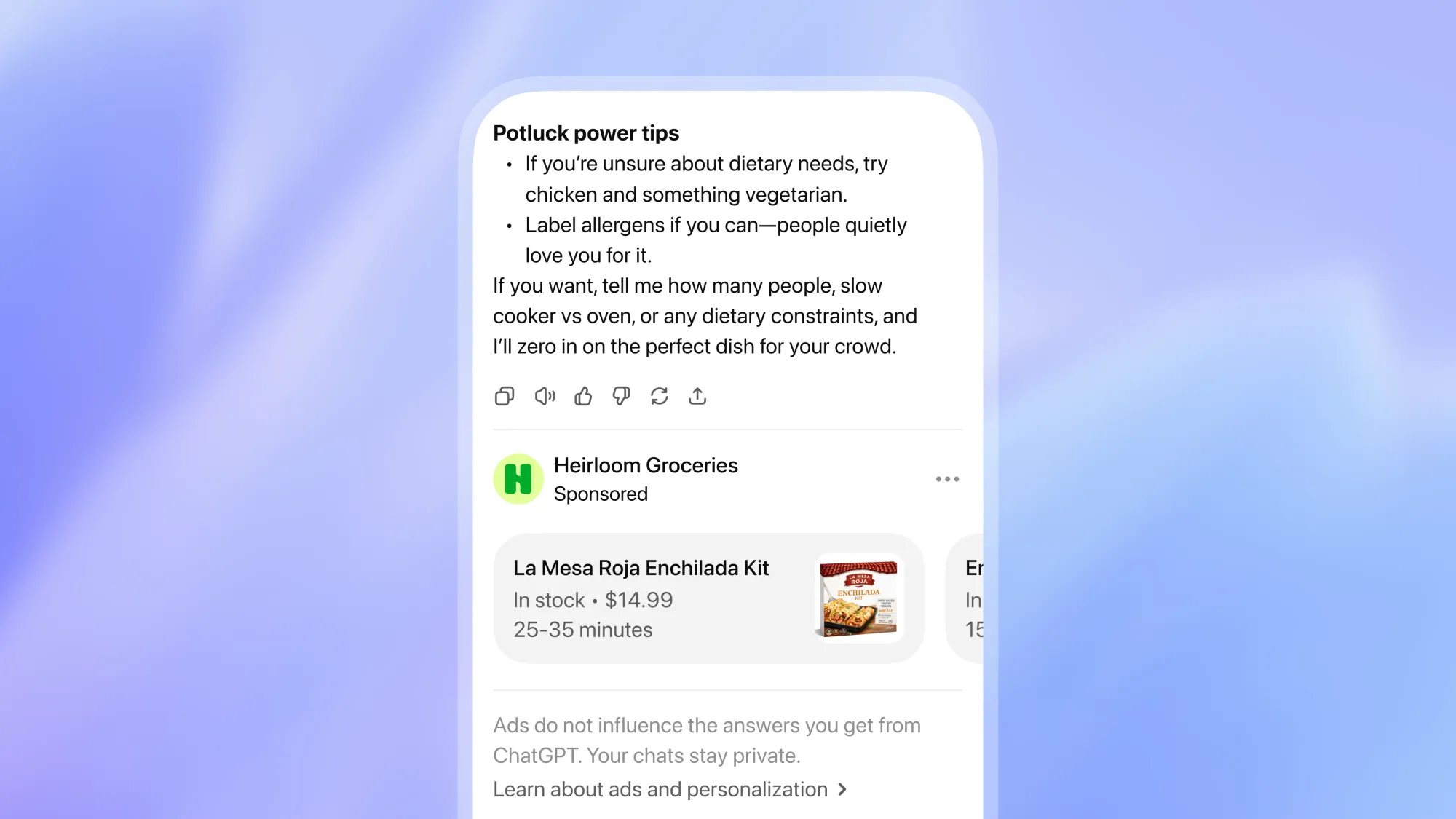
Advertising in ChatGPT is quietly reshaping how businesses reach potential customers. While most companies are still focused on search engines and social media, a new layer is emerging where users no longer browse or click first. They ask.
Instead of competing for attention, brands are now competing to be relevant within real conversations. The difference is subtle, but the impact is significant. Traditional tactics built around keywords, impressions, and tracking are becoming less effective in an environment driven by intent and context.
Understanding how this works is no longer optional. It is quickly becoming a competitive advantage.
Use the AI Visibility Scan to get instant insight into how your website performs in AI environments and where the biggest opportunities are.
👉 https://scalevise.com/ai-visibility-geo-checker
The Current Reality of ChatGPT Advertising
At this moment, there is no fully public advertising platform where businesses can log in and launch campaigns. What exists instead is a controlled rollout where ads are being tested in specific regions and user tiers.
Despite the lack of a public system, ads are already visible in ChatGPT. They are designed to be relevant to what users are asking, not disruptive or intrusive.
This is the key difference. The system is built around intent, not attention.
Why This Changes the Game
Traditional advertising platforms rely on behavior. Users scroll, search, click, and platforms infer intent from that activity. ChatGPT removes that guesswork.
Users clearly state what they want. They ask direct questions, often with a goal in mind. That means the platform does not need to predict intent. It receives it immediately.
This creates a higher standard for advertisers. If the message does not match the intent, it does not belong.
How ChatGPT Advertising Differs from Traditional Platforms
| Element | Traditional Advertising | ChatGPT Advertising |
|---|---|---|
| Trigger | Keywords or behavior | User intent in prompts |
| Format | Banners, search ads | Contextual placements |
| User mindset | Browsing or comparing | Solving a problem |
| Optimization | Click-through and conversion rates | Relevance and alignment |
| Tracking | Detailed user tracking | Privacy-focused, limited data |
This shift is not minor. It changes how campaigns need to be structured from the ground up.
The Role of a Future Ads Platform
A platform often referred to as “ChatGPT Ads Manager” will likely be introduced. When it arrives, it will provide structure such as campaign setup, targeting controls, and reporting.
However, expecting it to function like Google Ads is a strategic mistake.
The core logic of ChatGPT will remain the same:
- Intent comes first
- Relevance determines visibility
- Context defines placement
A dashboard will not change those fundamentals.
Where Most Businesses Get It Wrong
Many companies are waiting for a clear entry point. They want a tool before they act.
By the time a public platform is widely available:
- Competition will increase quickly
- Early insights will already be established
- Costs will rise as demand grows
The businesses that benefit most are the ones that prepare before everything becomes standardized.
What Works Right Now
Even without direct access to a formal ad platform, there are ways to align with how ChatGPT surfaces relevant solutions.
A few principles already stand out:
- Content should answer specific, real-world questions
- Messaging should reflect how users actually describe their problems
- Pages should be structured clearly and avoid unnecessary complexity
This is not about producing more content. It is about producing more precise content.
That is where tools like the AI Visibility GEO Checker come in. It provides insight into how your business shows up in AI-generated answers and highlights gaps that are often missed.
Preparing for What Comes Next
When a platform similar to a “ChatGPT Ads Manager” becomes available, performance will depend on preparation, not experimentation.
Businesses that are ready will have:
- Clear positioning tied to specific use cases
- Landing pages that immediately address intent
- Messaging that aligns with real user questions
Those that are not ready will rely on trial and error in a more competitive environment.
The Strategic Opportunity
This is a transitional phase. The system is active but not fully open. That creates a window where competition is still limited and positioning can be established more easily.
Once the platform matures, that window closes.
The advantage is not in accessing ads first. It is in understanding how this environment works before it becomes crowded.
Conclusion
ChatGPT Ads Manager may become a real product in the near future, but focusing only on the tool misses the point.
Advertising in ChatGPT is built on intent, context, and relevance. These factors determine success far more than budget or scale.
Businesses that adapt to this shift now will not just participate when the platform opens. They will already have a clear advantage.