
ElevenLabs launches Eleven Music with AI-generated vocals and a Vocal Library
ElevenLabs has released Eleven Music, enabling full songs with AI-generated vocals or instrumentals and a Vocal Library. The launch raises practical questions about rights, licensing, pricing, and studio workflows.
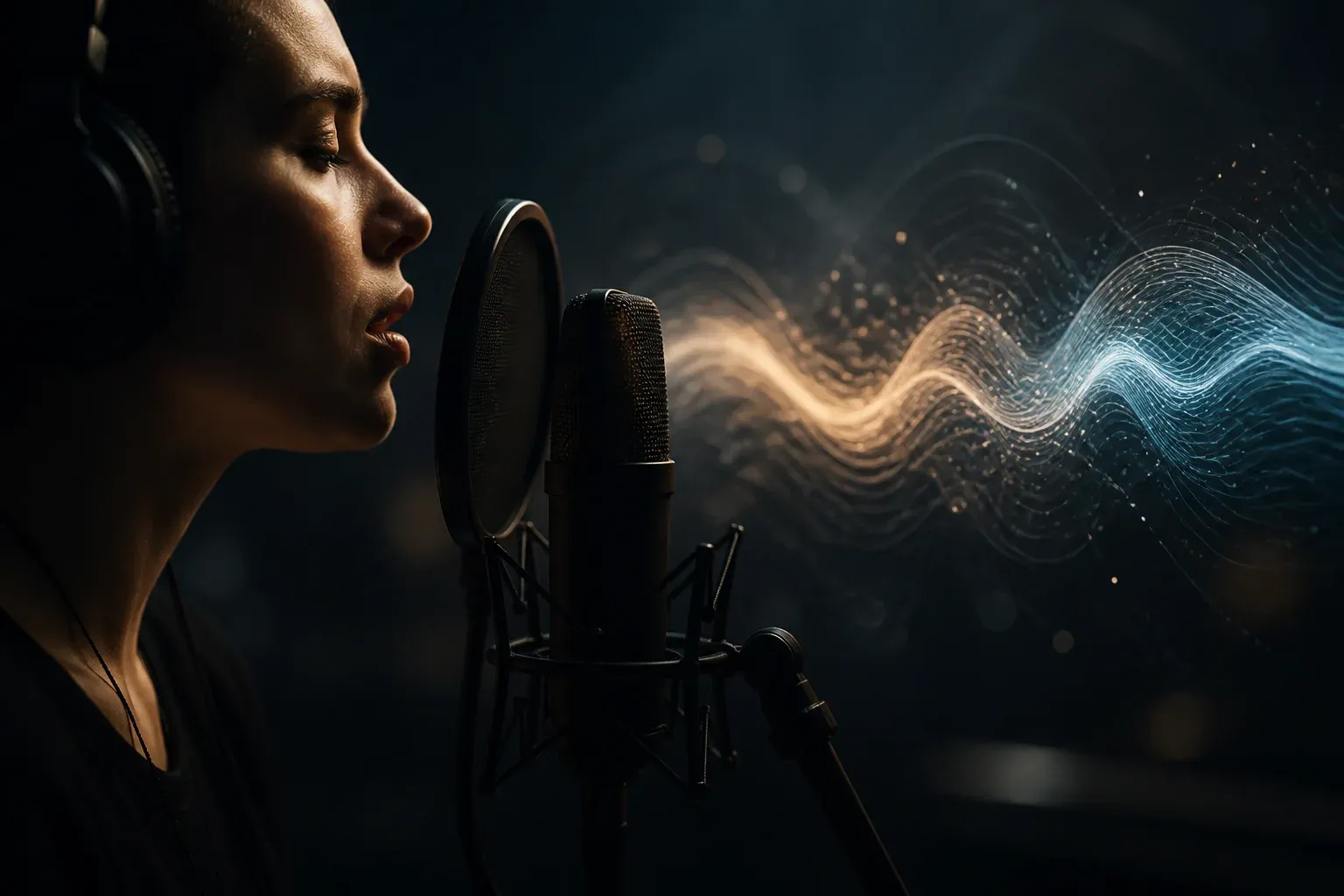
ElevenLabs has launched Eleven Music, a new capability that can generate full songs with AI-generated vocals or instrumentals, including support for multiple languages, section-level editing, and a searchable Vocal Library. The company published the announcement and product details in ElevenLabs' official announcement, which explains the product features and demonstrates examples of generated music.
What Eleven Music does
Eleven Music allows users to create complete songs that include AI-generated vocals or purely instrumental tracks. According to the official announcement, key features include:
- Support for vocals in multiple languages.
- Ability to generate songs using an uploaded or user-provided voice, or by selecting from ElevenLabs' Vocal Library.
- Section-level editing so producers can change verses, choruses, or other parts without redoing an entire track.
- Tools for creating both vocals and instrumentals within a single workflow.
The product page and blog post describe the Vocal Library as a collection of voices users can select when creating music. For full technical details and examples, see ElevenLabs' official announcement: https://elevenlabs.io/blog/eleven-music-is-here.
Implications for rights, studios, pricing, and governance
Eleven Music extends ElevenLabs' text-to-speech and voice technologies into full song generation, and that extension raises practical and legal considerations for creators, labels, and studios. The announcement confirms the platform can generate songs in your own voice or with library voices. Beyond the feature set, the launch highlights several issues industry stakeholders will need to address.
Rights and licensing. AI-generated vocals create questions about ownership, consent, and commercial use. Creators should review ElevenLabs' terms of service and any Vocal Library licensing rules before using generated vocals commercially. Where a user supplies a recorded voice, studios and artists will need clear agreements on consent, exclusivity, and revenue participation.
Studio workflows and production. The ability to generate editable vocal tracks and instrumentals in-platform could change pre-production and demo workflows. Producers may adopt hybrid processes that mix human performance with AI-generated vocals for drafts, arrangement, or localization across languages. Studios will need to evaluate audio quality, vocal expression limits, and how to integrate generated stems into existing DAWs and mixing pipelines.
Pricing and business models. The announcement focuses on product capabilities but does not replace the need for transparent pricing and licensing options for commercial use. Labels, publishers, and independent creators will watch how vendors price access to high-quality voices, per-track generation, and commercial licenses, and whether subscription, per-use, or enterprise models emerge.
Governance and provenance. As AI-generated music becomes more prevalent, provenance and attribution mechanisms will matter for rights enforcement and discovery. Expect demand for technical markers, metadata standards, or watermarking that can signal whether a vocal is AI-generated and identify the voice source or license applied.
Organizations evaluating how to integrate new AI music capabilities into production pipelines can work with Scalevise on AI architecture, automation, and implementation to ensure governance, compliance, and operational fit.
Frequently Asked Questions
Can I generate songs in my own voice using Eleven Music?
Yes. ElevenLabs states that users can generate songs in their own voice or select voices from the Vocal Library. Users should verify any consent and licensing requirements that apply when converting a personal voice into generated vocals.
Are vocals generated with Eleven Music cleared for commercial use?
The Eleven Music announcement describes the feature set, but commercial licensing and permitted uses depend on ElevenLabs' terms of service and any Vocal Library license terms. Creators planning commercial release should consult ElevenLabs' published terms and any specific licensing documentation linked from the official announcement.
How will this affect professional music studios and producers?
AI vocals can accelerate prototyping, localization, and demo workflows, but studios will need to assess integration with DAWs, audio quality for final masters, and legal clearance processes. Many studios are likely to adopt hybrid workflows that use AI for drafts while retaining human performers for final releases.
Is pricing for Eleven Music available in the announcement?
The launch blog focuses on capabilities and examples. For up-to-date pricing, licensing tiers, and enterprise offers, check ElevenLabs' product pages and commercial documentation referenced in the official announcement.
Conclusion
Eleven Music marks a clear step by ElevenLabs into song-level generation with multilingual AI vocals and an integrated Vocal Library. The product expands creative possibilities but also leaves unresolved questions around licensing, commercial rights, pricing, and operational governance that creators, studios, and rights holders must address. Careful review of ElevenLabs' documentation and closing the loop on consent and licensing will determine how quickly the technology becomes a standard tool in professional music production.