
EU Commits €200 Million to Greenland for Connectivity, Satellites and Data Center Study
A new EU Global Gateway package will support Greenland’s digital connectivity and satellite capacity while examining whether data centers could be viable.
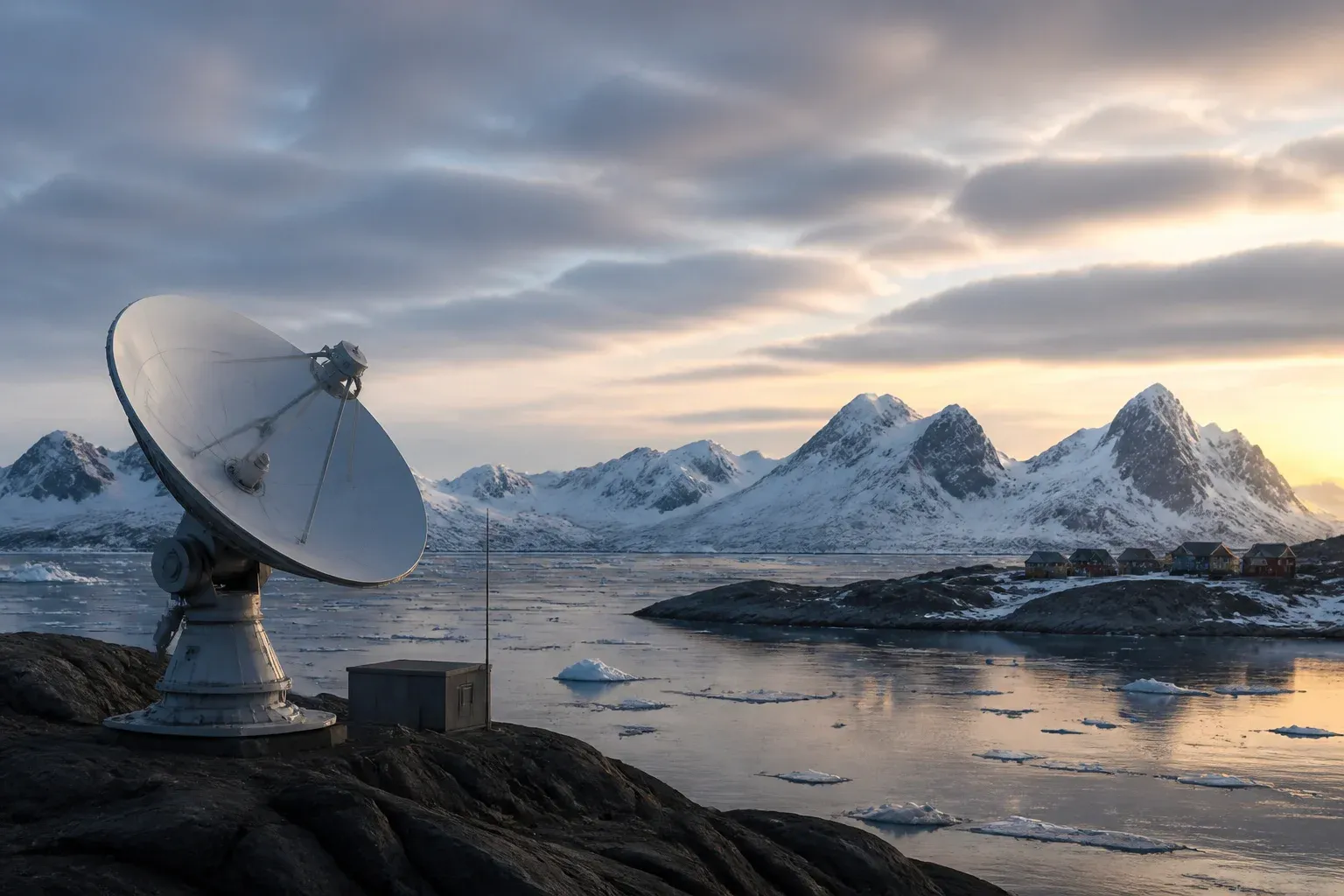
The European Union has announced a €200 million Global Gateway Partnership Package for Greenland, combining digital connectivity, satellite capacity, clean-energy initiatives and critical raw materials development. Announced in Nuuk on 7 September 2026, the package also includes a feasibility assessment of whether expanding digital infrastructure and energy capacity could make data centers a viable opportunity in Greenland.
The funding signals a broader EU-Greenland partnership focused on practical infrastructure as well as economic development. For businesses operating in Greenland, the Arctic and connected European markets, the most immediate development to watch is not a confirmed data center build. It is the planned work on more resilient connectivity, satellite-related capability and the evidence that will emerge from the data center feasibility assessment.
The European Commission set out the package in its official announcement on the EU-Greenland partnership. The announcement accompanied a new Joint Declaration signed by European Commission President Ursula von der Leyen, Greenland Premier Jens-Frederik Nielsen and Danish Prime Minister Mette Frederiksen.
What the EU-Greenland package covers
The €200 million package is intended to fund initiatives during 2026 and 2027. Its three strategic domains are connectivity, energy and the green transition, and critical raw materials. While the investment is wider than digital infrastructure, connectivity has a central role because it can support communications between Greenland and Europe and strengthen domestic digital access.
The Commission identifies enhanced satellite and cable connectivity, secure and resilient digital infrastructure, and related governance as part of the connectivity work. It also refers to a pipeline of initiatives ready to begin, including satellite-related capacity building with Greenland’s national partners.
| Area | Confirmed focus | What remains to be determined |
|---|---|---|
| Digital connectivity | Enhanced satellite and cable connectivity, plus secure and resilient digital infrastructure | Specific projects, coverage outcomes and commercial terms |
| Satellite capability | Satellite-related capacity building with Greenland’s national partners | The operational scope and timing of individual initiatives |
| Data centers | A feasibility component will assess the opportunity | Whether data centers are viable and whether any facility will be developed |
| Energy and raw materials | Hydropower and other clean-energy efforts, alongside critical raw materials development | How individual projects will proceed within the wider package |
This distinction matters. The EU has committed funding to the broader partnership and to connectivity-related work, but it has not announced a Greenland data center project. The feasibility work is designed to examine whether such facilities could become viable as energy and digital infrastructure develop.
The package also frames the partnership in social and economic terms, referring to housing, education, sustainable tourism and small businesses alongside industrial initiatives. That makes connectivity relevant beyond large infrastructure operators. Better digital links can affect how local organizations access cloud services, communicate with customers and connect to suppliers, even though the announcement does not define service levels, prices or end-user availability.
Why connectivity and the data center assessment matter
Greenland’s geography makes dependable communications infrastructure strategically important. The EU’s focus on both satellite and cable connectivity suggests an effort to improve resilience through more than one type of connection. Satellite capacity can be especially relevant where terrestrial infrastructure is difficult to extend, while cables are part of connectivity between Greenland and Europe.
For companies, the practical implications will depend on delivery details that have not yet been published. A stronger infrastructure base could improve the conditions for digital services, remote operations and local technology deployment. However, businesses should avoid treating the announcement as confirmation of lower connectivity prices, a new satellite service, or immediate access to data center capacity. None of those outcomes is specified in the Commission’s release.
The data center assessment is nonetheless notable because it ties together two necessary conditions for digital infrastructure investment: available energy and connectivity. Greenland’s hydropower and clean-energy initiatives are included in the same funding framework, but the EU has not stated that those efforts will result in facilities for cloud providers, colocation companies or local businesses.
Decision-makers with Arctic operations should therefore monitor the package at two levels:
- Near-term delivery, including satellite capacity-building initiatives and connectivity projects that enter implementation during 2026 and 2027.
- Infrastructure evidence, particularly findings from the data center feasibility work and any subsequent decisions on investment.
- Business relevance, including whether new infrastructure improves reliability, access or operating options for organizations in Greenland and their European partners.
The new Joint Declaration gives the investment a wider diplomatic and economic context, but the operational value will be determined by project execution. The Commission’s announcement establishes the direction of travel. It does not yet provide the technical specifications, procurement details, pricing models or timelines needed for businesses to plan around a particular connectivity product or facility.
For companies assessing how new digital infrastructure could support remote teams, connected operations or data-intensive services, Scalevise AI consultancy can turn emerging infrastructure developments into a practical technology roadmap. Scalevise helps identify high-value use cases, test feasibility against current systems and prioritize investments that reduce manual work or improve service delivery. Request a consultation to assess where your business can act now while larger infrastructure plans develop.
Frequently Asked Questions
What did the EU announce for Greenland?
The EU announced a €200 million Global Gateway Partnership Package for Greenland on 7 September 2026. It covers connectivity, energy and green-transition efforts, and critical raw materials development.
Does the EU package fund a data center in Greenland?
No. The package includes a feasibility assessment of whether data centers could be a viable opportunity as Greenland’s digital infrastructure and energy capacity grow. It does not confirm a data center project.
What digital connectivity work is included?
The European Commission identifies enhanced satellite and cable connectivity, secure and resilient digital infrastructure, and related governance. It also refers to satellite-related capacity building with Greenland’s national partners.
When will the initiatives be funded?
The Commission says the package will fund deliverables during 2026 and 2027. Individual project schedules are not specified in the announcement.
Conclusion
The EU’s €200 million package creates a clearer framework for expanding Greenland’s connectivity, satellite capability and clean-energy-linked digital potential. The confirmed investment is significant, but data center development remains an issue for feasibility assessment rather than a completed commitment. Businesses should follow the specific projects and findings that emerge during 2026 and 2027 before making assumptions about access, cost or capacity.