
EU Harmonises DSA Transparency Reports as 2026 Deadline Nears for Largest Platforms
The EU's harmonised Digital Services Act reporting rules set a common format and six-month schedule for the largest online platforms and search engines, beginning in February 2026.
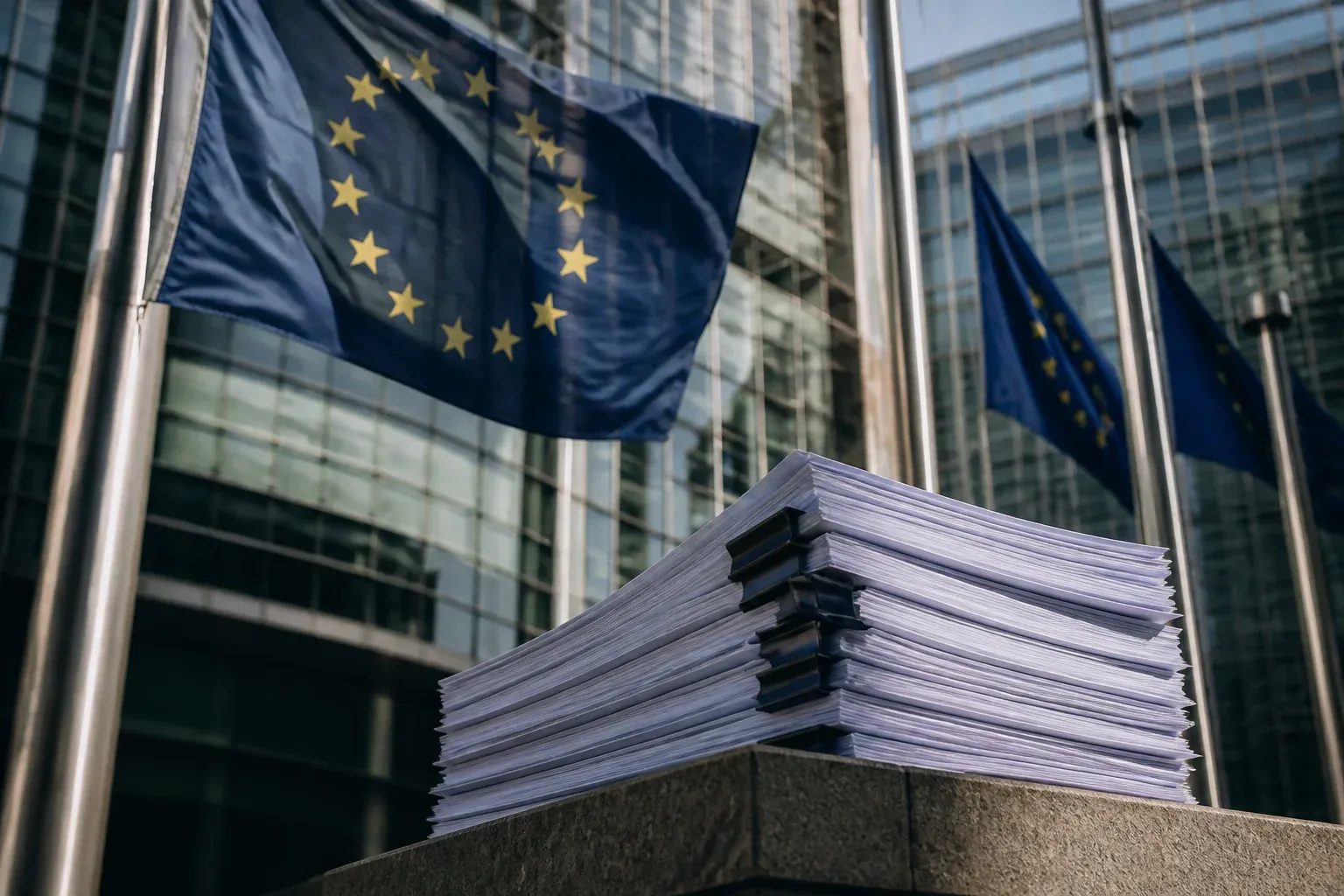
The European Union has standardised how the largest online platforms and search engines report on content moderation under the Digital Services Act (DSA). The new framework sets a common reporting format, required content and reporting cadence for very large online platforms (VLOPs) and very large online search engines (VLOSEs). Their first harmonised transparency reports are due by the end of February 2026.
The change matters because it replaces platform-specific approaches with a more comparable EU-wide reporting system. It does not create a new twice-yearly reporting duty for every business with a website or app. But companies that build software, sell through major platforms or process customer data in the EU should understand the direction of travel: clearer documentation, more consistent disclosures and stronger expectations around how digital services operate.
The European Commission's official notice on the harmonised DSA reporting rules explains that the implementing regulation is now in effect and establishes the unified reporting approach.
What the harmonised DSA reporting rules change
The DSA already requires intermediary services to publish annual transparency reports on content moderation. The implementing regulation brings additional standardisation to the reports required from VLOPs and VLOSEs, which are subject to a six-month reporting cycle. The first reports under the harmonised system are due at the end of February 2026, followed by reports every February and August.
The focus is important. These are DSA transparency reports on content moderation, not a general replacement for privacy notices or a universal report on every aspect of personal-data handling. The DSA sits alongside the EU's broader privacy and data-protection framework, including the General Data Protection Regulation (GDPR).
| Area | Earlier position | Harmonised approach |
|---|---|---|
| Report format and content | Older, platform-specific reporting approaches | A unified EU-wide format and defined content requirements |
| VLOP and VLOSE reporting cadence | Ad hoc or staggered schedules | Twice yearly, in February and August |
| First harmonised deadline | Not applicable | By the end of February 2026 |
The standardisation should make reports easier for regulators, researchers and the public to compare across the largest services. It also formalises a transparency mechanism within the DSA's wider enforcement framework. For major platforms, the DSA can carry penalties of up to 6% of global turnover.
The direct scope is narrow, but the signal is broader
VLOPs and VLOSEs are the direct subjects of this harmonised twice-yearly reporting requirement. A typical software vendor, ecommerce business or local service provider is not automatically covered simply because it has an online presence or collects customer information.
Still, the framework is relevant to businesses in three practical ways:
- Platform dependency: Companies that market, sell or communicate through large platforms may see more accessible information about how content moderation is handled on those services.
- Product design expectations: Software teams serving EU users can treat clearer explanations of service rules, user-facing processes and internal records as sound operational practice, even where the specific DSA reporting duty does not apply.
- Privacy workflow discipline: The DSA development reinforces the value of knowing what information a business handles, where it is stored and which processes govern user requests or deletion. Those issues are principally associated with GDPR obligations, rather than the new VLOP and VLOSE reporting schedule.
That distinction prevents a common compliance mistake. A business should not assume that DSA content-moderation reporting and GDPR privacy duties are interchangeable. The former framework addressed here concerns standardised transparency reporting by the largest platforms and search engines. GDPR remains the key EU framework for many questions involving personal data, including how organisations handle it.
How software businesses can prepare without overstating the obligation
The most useful response for businesses outside the direct scope is not to publish a DSA-style report prematurely. It is to strengthen the operational information that makes customer-facing transparency and privacy processes easier to maintain.
Start by mapping the customer and user data that your product actually handles, along with the systems and vendors involved. Keep that work grounded in real workflows rather than generic policy language. If a customer asks what information is held or requests deletion, the responsible team should be able to identify the relevant process and systems without relying on improvised manual searches.
For companies deploying AI tools or connecting data across customer systems, privacy workflows can become harder to manage when information moves between disconnected applications. Scalevise can help turn scattered processes into a practical implementation plan, from assessing useful AI use cases to connecting the tools that support them. Explore practical AI implementation and workflow planning to identify where clearer data flows and automation can reduce manual work. Request an AI consultancy discussion.
Frequently Asked Questions
Who must publish harmonised DSA transparency reports?
Very large online platforms and very large online search engines must publish the harmonised reports. The requirement does not automatically apply to every business website, app or software vendor.
When are the first harmonised DSA reports due?
The first reports are due by the end of February 2026. After that, VLOPs and VLOSEs must report every six months, in February and August.
Do these rules replace GDPR obligations?
No. The harmonised DSA reports concern transparency around content moderation. GDPR remains part of the EU's broader data-protection framework and addresses personal-data responsibilities separately.
What should a software business do if it is not a VLOP or VLOSE?
It should not assume that the twice-yearly reporting duty applies. It can, however, review how it documents data flows, user-facing information and relevant operational processes.
Conclusion
The EU's harmonised DSA reporting rules create a clearer, twice-yearly transparency standard for the largest online platforms and search engines, beginning in February 2026. Most businesses are not direct targets of that requirement, but the change reinforces the value of accurate records, understandable user processes and a clear separation between platform transparency duties and broader privacy responsibilities.