
Google AI Mode Citations Are Not an Above-the-Fold Game, SALT Research Finds
SALT.agency's AI Mode research suggests that content position is not a reliable citation advantage. Clear headings and relevant opening sentences matter more.
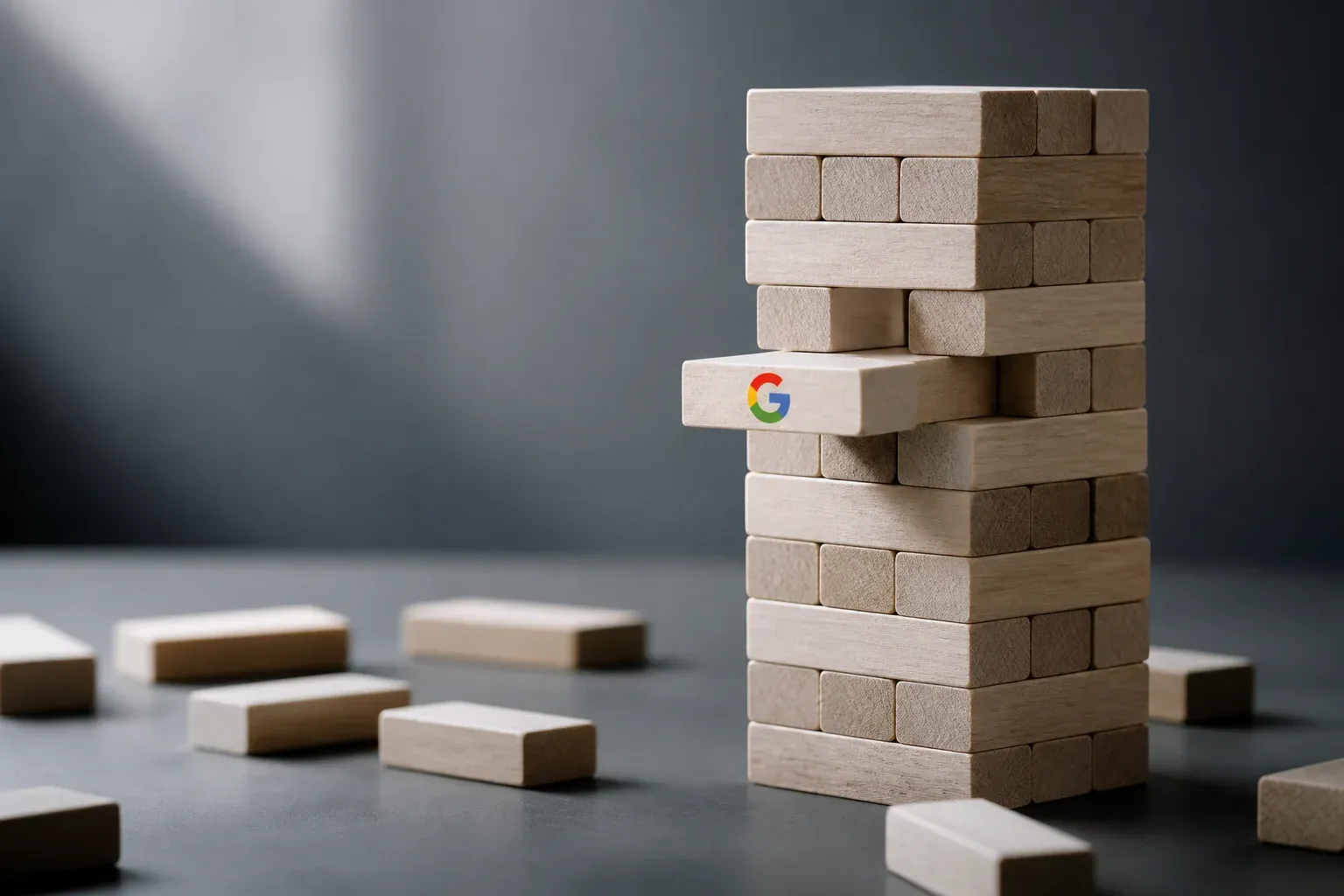
Google AI Mode does not appear to favor content simply because it sits near the top of a page. Research from SALT.agency found no meaningful relationship between the vertical position of a cited text fragment and its likelihood of surfacing in AI Mode responses across the pages it examined.
That finding matters for publishers and SEO teams trying to understand how Google AI Mode selects supporting material. The available evidence points away from a universal above-the-fold formula and toward a more familiar discipline: publishing well-structured content that directly addresses the reader's need. The research also identifies a recurring pattern in highlighted material: descriptive subheadings followed by clear opening sentences.
What SALT's AI Mode research measured
In its research into whether content structure improves AI Mode surfacing, published December 30, 2025, SALT.agency analyzed 2,318 unique URLs cited by AI Mode across travel, e-commerce, and SaaS. The researchers used a Chrome bookmarklet and a 1920 by 1080 viewport to record the vertical location of the first highlighted text fragment on each page.
The study recorded average cited-fragment depths of roughly 2,400 to 4,600 pixels across the three verticals. Some cited material appeared much farther down a page, including at depths above 60,000 pixels. Despite those differences, the analysis found no consistent citation advantage for content located near the top of a page.
| Content factor | What the research observed | Editorial implication |
|---|---|---|
| Vertical page position | No meaningful correlation between shallow pixel depth and being cited. | Do not treat above-the-fold placement as a reliable AI Mode citation tactic. |
| Page layout | Elements such as hero images can push cited text farther down the page. | Layout can affect where a fragment appears without determining whether it is selected. |
| Headings and opening sentences | Highlighted passages often included a descriptive subheading and the sentence immediately after it. | Use headings that identify the topic precisely, then open sections with relevant, direct copy. |
The researchers interpret this pattern through fragment-based retrieval. AI Mode can surface a relevant section regardless of its position, rather than treating a page as a single undifferentiated document. A useful heading may help identify the subject of a section, while the sentence that follows gives the system a concise indication of whether that section answers the query.
What the findings do and do not establish
The study supports a practical conclusion: content structure can help systems navigate a page, but position alone is not a dependable shortcut to visibility. It does not establish a fixed content template, a guaranteed citation method, or a universal paragraph length that wins in AI Mode.
In particular, the public SALT report does not document an analysis of 15.7 million citations or conclude that a 75 to 150 word, answer-first paragraph is the preferred citation unit. Its published dataset concerns 2,318 unique cited URLs. The report also examines surfacing patterns and highlighted fragments, not whether Google is reusing passages in a way that resolves licensing, attribution, or safety questions.
That distinction is important. A highlighted fragment can show how an answer system connects a response to a web page, but this study alone cannot determine broader policy questions about content reuse. It also does not provide evidence for direct comparisons between AI Mode and other AI assistants. Those questions require separate research with defined methods and comparable datasets.
A practical publishing response
For content teams, the study argues against rebuilding pages around a speculative AI-only layout. SALT's recommendation aligns with established SEO practice: create high-quality content that serves user intent and makes its internal logic easy to follow.
A sensible approach is to:
- Write specific, descriptive subheadings that tell readers what a section answers.
- Start sections with a clear, relevant sentence before expanding into explanation or evidence.
- Keep important information accessible within the page structure, even when it cannot appear at the top.
- Avoid treating a single word count, paragraph format, or visual placement as a guaranteed route to citation.
This does not mean every section should be reduced to a short answer block. The evidence instead suggests that a page should be easy to navigate at the fragment level while still providing the context needed to answer a user well. A section that begins clearly but lacks supporting detail may not meet the underlying search need, while a strong answer buried deeper in a thorough page can still be surfaced.
Organizations assessing how AI-driven search changes their content operations can work with Scalevise on AI visibility strategy, content workflows, and measurement approaches grounded in their actual customer questions.
Frequently Asked Questions
Does Google AI Mode prefer content above the fold?
SALT.agency found no meaningful correlation between a cited fragment's vertical page position and its likelihood of surfacing in the AI Mode results it studied.
What did SALT.agency analyze in its AI Mode research?
The study analyzed 2,318 unique URLs cited in AI Mode responses across travel, e-commerce, and SaaS, recording the position of the first highlighted fragment on each page.
Do descriptive headings help content surface in AI Mode?
The research observed that highlighted material often included a descriptive subheading and the sentence that followed it, suggesting headings can help guide retrieval.
Does the research identify a winning 75 to 150 word paragraph format?
No. The public report does not identify a universal 75 to 150 word answer-first paragraph as the preferred citation unit.
Conclusion
SALT.agency's research offers a narrower and more useful lesson than a fixed AI content formula: Google AI Mode can surface relevant fragments from deep within a page. Clear headings, direct opening sentences, and content that genuinely serves user intent are more defensible priorities than chasing above-the-fold placement or an unsupported universal paragraph length.