
Microsoft Expands MAI Playground With Image, Voice, Transcription and Reasoning Models
Microsoft is expanding MAI Playground as a limited-preview environment for testing its in-house AI models, while selected API access and future Foundry availability take shape.
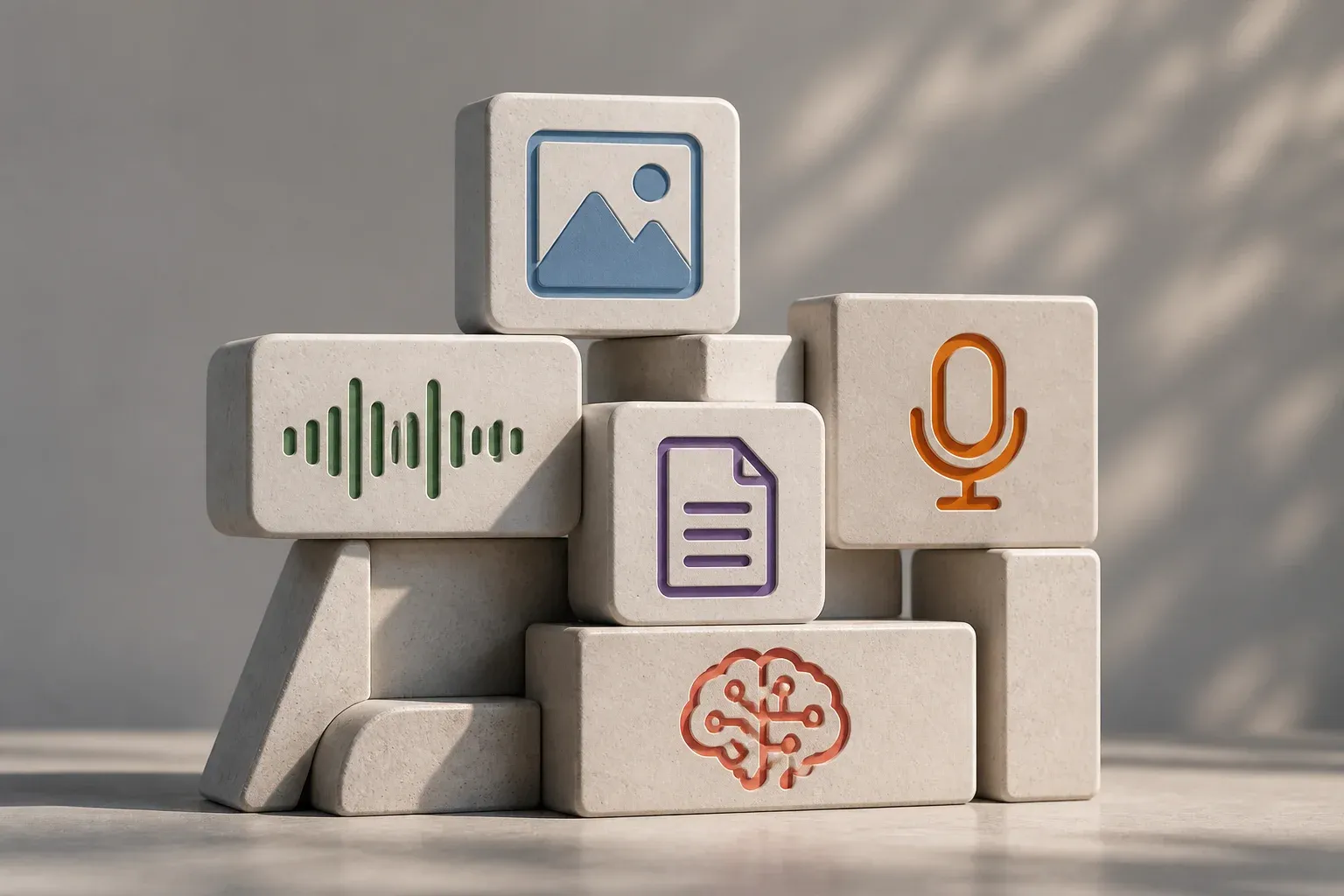
Microsoft has expanded MAI Playground as a limited-preview environment for trying models from its MAI family, including image generation, speech, transcription and reasoning capabilities. The development gives users a public place to test Microsoft-built models while the company takes a staged approach to API and broader developer availability.
The clearest immediate use case is image generation. In its official MAI-Image-2 announcement, Microsoft said the model is being released and can be tried in MAI Playground. The company also said select customers can access the model through an API, with Foundry availability planned for developers later. WPP is identified as an early adopter.
That makes Playground more than a demonstration page. It is a public testing layer in Microsoft’s rollout path for MAI models, although it is not presented as a universally available production API. The Playground itself describes the service as a limited preview and warns that AI can make mistakes. Businesses evaluating the models should treat outputs as experimental results, not as evidence that a capability is ready for every production workflow.
What MAI Playground currently offers
Microsoft’s Playground lists a broader set of MAI models than the original MAI-Image-2 announcement alone. The current lineup spans several AI task types, allowing users to assess different parts of Microsoft’s emerging model portfolio in one environment.
| Model | Capability indicated by its name and Playground listing | Availability context in the supplied sources |
|---|---|---|
| MAI-Image-2.5 | Image generation | Listed in MAI Playground |
| MAI-Image-2.6 | Image generation | Listed in MAI Playground |
| MAI-Transcribe-1.5 | Transcription | Listed in MAI Playground |
| MAI-Voice-2 | Voice | Listed in MAI Playground |
| MAI-Thinking-1 | Reasoning | Listed in MAI Playground |
The naming differences matter. Microsoft’s announcement specifically discusses MAI-Image-2, while the Playground lists MAI-Image-2.5 and MAI-Image-2.6. The supplied sources establish that the image family is being showcased through Playground, but they do not provide a feature-by-feature specification or benchmark comparison among those image variants. Users should therefore avoid inferring performance differences from version numbers alone.
The practical value of a multi-model playground is early evaluation. Teams can test whether a model category fits a workflow before making architecture decisions around API integration or a broader platform rollout. That is particularly relevant where a company needs to assess outputs, prompt behavior and operational controls across different media types.
Microsoft’s current access approach can be summarized as follows:
- MAI Playground is available as a limited preview for hands-on testing.
- MAI-Image-2 API access is available to select customers, rather than broadly described as open access.
- Foundry integration is planned to open to developers later.
- WPP is named as an early adopter for the image model.
- The supplied sources do not state a public price for Playground use, MAI-Image-2 API access or future Foundry access.
This staged release distinguishes MAI Playground from a fully documented, generally available developer platform. It can help organizations explore the technology, but procurement, production deployment and cost planning require details that have not yet been published in the supplied material.
Enterprise governance and rollout implications
For enterprise AI teams, the important story is not only that Microsoft is exposing more MAI models. It is also that the company is placing the early experience inside a preview environment with stated limitations and policy controls.
Voice features illustrate why governance cannot be treated as an afterthought. Related MAI-Voice materials state that custom voice creation requires approval under Microsoft’s Responsible AI policies. That requirement is a meaningful signal for organizations considering voice-related use cases, where identity, consent, impersonation and brand risk can be material concerns.
The same discipline applies across the Playground’s model categories. Image generation can introduce review requirements around creative assets and intended use. Transcription workflows can involve sensitive audio or business records. Reasoning models may be useful for exploration, but the Playground’s warning that AI can make mistakes reinforces the need for human review and clear limits on automated decisions.
MAI Playground also reflects Microsoft’s gradual move from model experimentation toward developer distribution. The official announcement separates current trials, selected API customers and later Foundry availability. That sequence suggests that enterprises should distinguish three questions that are often incorrectly combined: whether a model can be tested, whether it can be integrated, and whether it can be governed at production scale.
For businesses planning evaluations, a useful approach is to define the intended task, the review process and the data boundaries before trial activity begins. Preview access may be valuable for comparing fit, but it does not remove the need for approval paths, ownership and testing criteria.
For businesses assessing new AI platforms, early access is only useful when it connects to a clear operating model for risk, integration and measurable outcomes. Scalevise helps teams turn exploratory model testing into a practical adoption plan through AI consultancy and implementation guidance, covering use-case selection, governance and workflow design. This is particularly important when preview tools evolve faster than internal controls. Request a consultation to discuss your AI implementation priorities.
Frequently Asked Questions
What is Microsoft MAI Playground?
MAI Playground is Microsoft’s limited-preview environment for trying models from its MAI family. The Playground says that AI can make mistakes, so it should be treated as a testing environment rather than an assurance of production-ready results.
Which models are listed in MAI Playground?
The supplied research identifies MAI-Image-2.5, MAI-Image-2.6, MAI-Transcribe-1.5, MAI-Voice-2 and MAI-Thinking-1 as the current Playground lineup.
Is MAI-Image-2 available through an API?
Microsoft says MAI-Image-2 API access is available for select customers. The company also says Foundry availability will open to developers later.
How does Microsoft govern custom MAI voice creation?
Related MAI-Voice materials state that custom voice creation requires approval under Microsoft’s Responsible AI policies.
Has Microsoft announced MAI Playground pricing?
The supplied sources do not state public pricing for MAI Playground, MAI-Image-2 API access or planned Foundry availability.
Conclusion
Microsoft’s MAI Playground gives users a limited-preview venue to evaluate a growing set of in-house models, led by the MAI image family and supported by voice, transcription and reasoning offerings. Its staged access model and Responsible AI controls are as important as the model list: organizations can begin testing now, while broader developer availability and public pricing details remain to be clarified.