
Shopify AI Integration with Automation: Smarter Stores, Scalable Growth
Shopify AI automation helps store owners automate repetitive tasks, improve customer experience, and scale their Shopify business more efficiently with intelligent workflows.
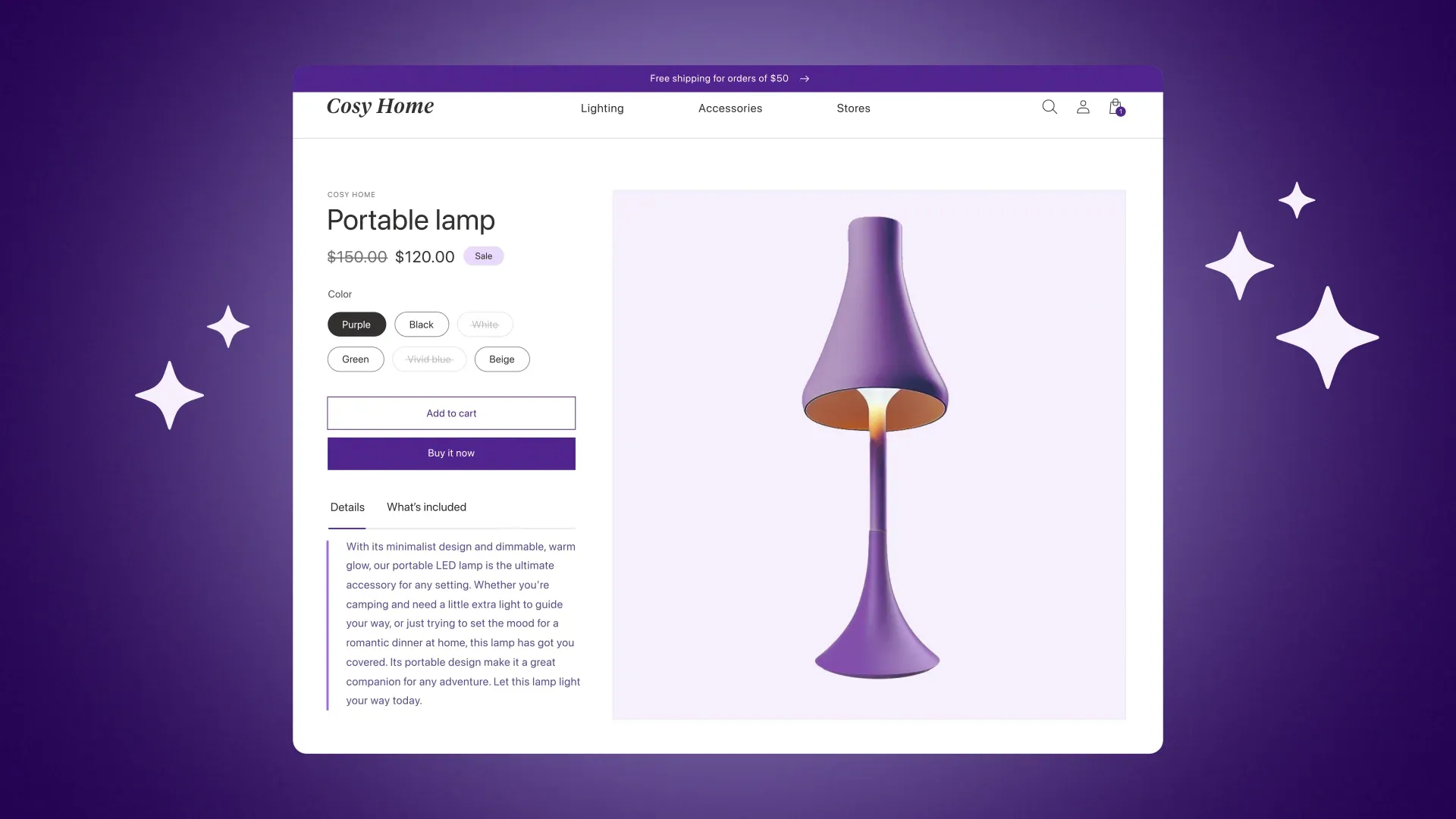
Running a Shopify store means juggling product updates, customer support, inventory, and marketing all while staying ahead of your competition. Manual processes quickly hit their limits. That’s why AI integration with automation has become a game-changer for Shopify merchants.
By combining AI tools with automated workflows, Shopify businesses can streamline operations, improve customer experience, and boost sales without adding more overhead.
Table of Contents
Why AI + Automation Matters for Shopify
Shopify provides a strong foundation, but it wasn’t built to handle every detail at scale. AI adds intelligence analyzing customer data, predicting demand, and personalizing experiences. Automation handles execution ensuring those insights instantly update your storefront, emails, or ads.
Together, they deliver:
- Personalized shopping: Dynamic recommendations tailored to each visitor.
- Operational efficiency: Less manual work on orders, fulfillment, and returns.
- Smarter decisions: Predictive analytics on inventory, pricing, and campaigns.
- Scalable growth: Automation absorbs the workload when traffic and sales spike.
Shopify AI Integration Workflows in Action
Here are examples of how Shopify merchants can use AI and automation effectively:
1. Personalized Product Recommendations
- AI tool: Shopify apps powered by recommendation engines (e.g., LimeSpot, Amazon Personalize via API).
- Automation: Sync recommendations with email campaigns or on-site widgets.
- Workflow: AI predicts preferences → Automation updates Shopify storefront → Personalized offers sent automatically.
2. Smart Customer Support
- AI tool: Chatbots trained on your Shopify product catalog and FAQs.
- Automation: Integrated with Shopify Inbox, CRM, or helpdesk tools like Gorgias.
- Workflow: Customer asks → AI bot responds instantly → Automation escalates only unresolved tickets.
3. Predictive Inventory Management
- AI tool: Demand forecasting AI analyzing Shopify sales + seasonal data.
- Automation: Automatically update stock levels and purchase orders.
- Workflow: AI predicts low stock → Workflow pushes updates into Shopify backend → Supplier notified.
4. Dynamic Pricing
- AI tool: Price optimization apps or custom ML models.
- Automation: Update Shopify product prices based on competitor and demand data.
- Workflow: AI calculates optimal pricing → Automation syncs directly to product catalog.
5. AI-Powered Marketing Campaigns
- AI tool: GPT-based content generation for product descriptions, ads, and blogs.
- Automation: Tools like Make.com or n8n push content into Shopify’s CMS and ad platforms.
- Workflow: AI generates content → Automation schedules → Analytics feedback loop adjusts next campaign.
Beyond the Storefront
AI + automation for Shopify goes further than product pages. With the right workflows, you can also:
- Recover abandoned carts with AI-driven email/SMS sequences.
- Automate loyalty programs and upsell flows.
- Improve logistics with real-time shipping updates.
- Manage compliance automatically, from GDPR consent to tax reporting.
How to Get Started with AI in Shopify
- Identify bottlenecks e.g., abandoned carts, stockouts, or slow support.
- Choose Shopify apps or APIs that provide AI capabilities.
- Automate with workflow tools like Make.com or n8n for cross-system integration.
- Scale with custom middleware if out-of-the-box apps no longer fit.
- Track performance via Shopify analytics dashboards tied into CRM/ERP systems.
Frequently Asked Questions
What is Shopify AI automation?
Shopify AI automation combines artificial intelligence tools such as product recommendation engines, chatbots, and predictive analytics with automated workflows. This allows merchants to deliver personalized experiences, streamline inventory management, and scale operations without extra manual effort.
Which Shopify workflows can be automated with AI?
Examples include abandoned cart recovery, dynamic pricing, AI-driven customer support, predictive inventory forecasting, and automated content distribution. These workflows reduce costs and improve customer satisfaction.
How can Scalevise help with Shopify AI automation?
Scalevise helps Shopify merchants integrate AI with automation tools like Make.com, n8n, and custom middleware. We design workflows that improve efficiency, personalization, and scalability.
Why Work with Scalevise
Many Shopify merchants install apps but fail to integrate them into a bigger picture. That’s where Scalevise helps.
We specialize in Shopify AI integrations, workflow automation, and custom middleware, ensuring your store grows efficiently. Whether you want smarter recommendations, automated marketing, or AI-powered support, we design workflows that deliver results.
Conclusion
Shopify success is no longer just about setting up a store. The future belongs to merchants who combine AI intelligence with automation execution. Done right, this approach creates personalized experiences, streamlined operations, and scalable revenue growth.
The only question is: how fast can you integrate AI into your Shopify workflows to stay ahead of your competitors?