
AI Brand Mentions and Citations Diverge Across Platforms, Semrush Finds
Semrush's 2026 AI Visibility Index finds that a brand appearing in an AI answer does not necessarily mean it is cited as a source, with substantial differences by platform and market.
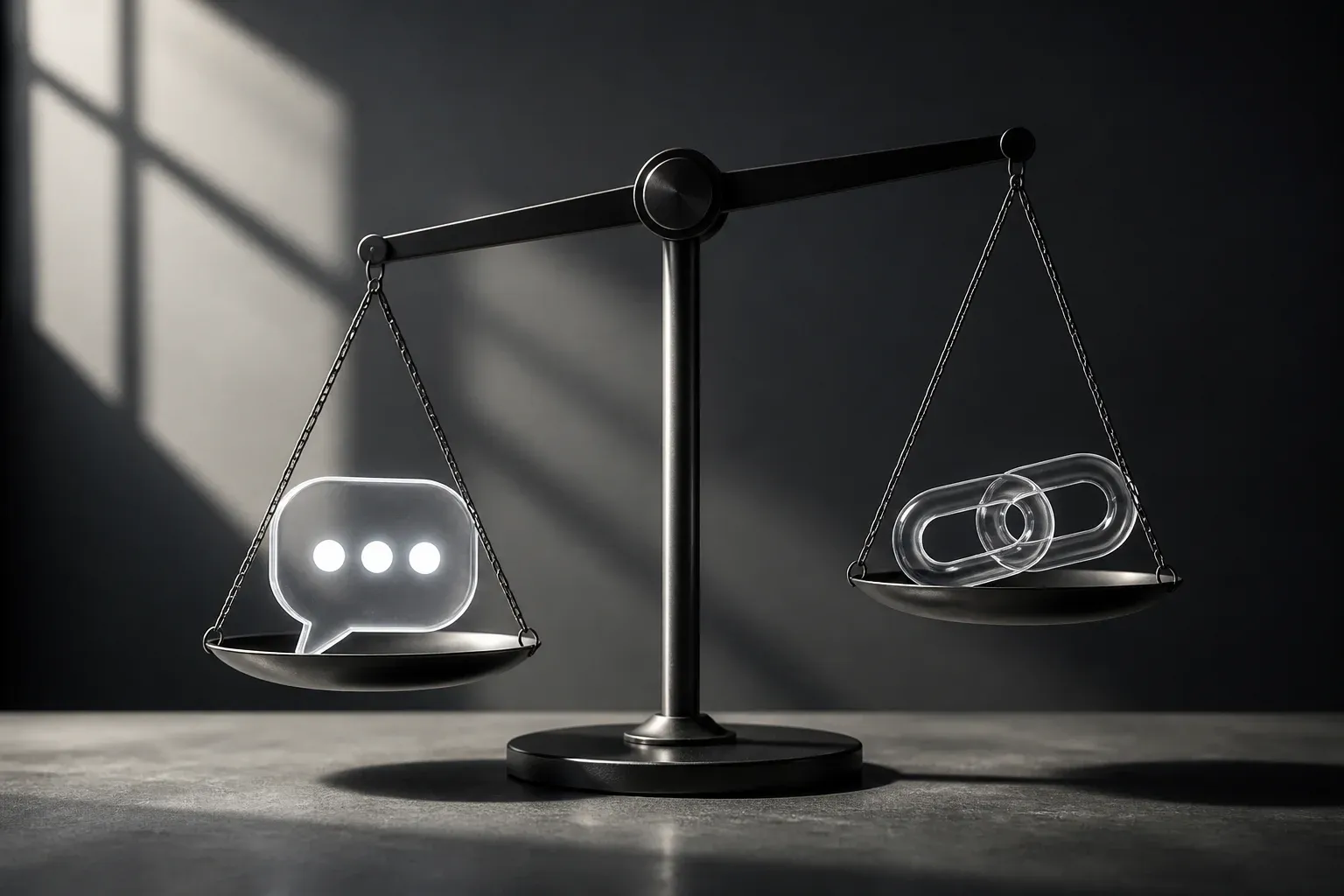
A brand can appear in an AI-generated answer without being named as a source. That distinction is central to Semrush's 2026 AI Visibility Index UK Benchmark, which examined how brands are mentioned and how domains are cited across ChatGPT, Gemini, Google AI Mode, and Google AI Overviews. For marketers, the finding matters because answer visibility and source attribution are different forms of presence that can vary by platform and country.
According to Semrush's official AI Visibility Index release, fewer than half of the top 100 brands mentioned by the four platforms also appeared among the top 100 cited domains in every month and in both the UK and US. The result is based on seven months of data from January through July 2026, rather than a single snapshot.
The research makes a useful correction to a common assumption about AI search. A mention may show that a system associates a brand with a query or category. A citation shows that the system surfaced a particular domain as supporting material. Neither signal automatically substitutes for the other.
What Semrush measured and what the gap means
Semrush tracked fixed monthly prompt sets of 2.5 million UK prompts and 25 million US prompts across the four AI platforms. It also used a larger, variable dataset of Google AI Overviews results. The benchmark compares brand mentions in generated answers with the domains that appear as top cited sources.
The overlap between those two top-100 lists differed substantially by market. In the UK, roughly 36.7 to 45.3 of 100 leading mentioned brands also appeared as leading cited domains. In the US, the comparable overlap was about 70 to 78 domains. Put simply, a brand's likelihood of being both visible in an answer and cited beside it was not consistent across markets.
| Measure | UK | US |
|---|---|---|
| Monthly fixed prompt set | 2.5 million prompts | 25 million prompts |
| Overlap between top-100 mentioned brands and top-100 cited domains | About 36.7 to 45.3 domains | About 70 to 78 domains |
| Implication | Mentions and citations diverged more sharply | Mentions and citations overlapped more often, but remained distinct signals |
The platform differences are equally important. Semrush found that Gemini tends to mention more distinct brands per answer, while ChatGPT cites more sources per answer. Google AI Overviews showed notably different citation patterns and lower overlap with other platforms. These are not interchangeable distribution channels with one universal visibility score.
The study calls the brands that consistently appear across platforms within a market the Universal Core. That concept reinforces the report's broader conclusion: AI visibility is fragmented by both platform and geography. A company that appears reliably in one market or answer engine cannot assume the same result elsewhere.
Why a mention is not the same as a citation
A brand mention and a domain citation can support different goals. Mentions may be useful when a business wants category awareness or inclusion in recommendations. Citations can be especially valuable where readers can inspect the source, assess credibility, or visit the linked page.
The research does not establish that one signal is always more commercially valuable than the other. The practical point is that measuring only brand mentions can miss whether a company's own site is being surfaced as supporting evidence. Measuring citations alone can also miss whether the brand is part of the answer at all.
For businesses tracking AI-driven discovery, a more complete view should separate at least these questions:
- Is the brand named in relevant AI responses?
- Is the company's website cited as a source?
- Which platforms produce each signal?
- Does performance differ between the UK and US, or other priority markets?
Practical implications for marketing and SEO
The benchmark points toward a broader visibility strategy than publishing content solely on a company website. Semrush notes the importance of third-party signals, including publishers, news sources, and communities, in shaping AI-driven visibility. That is relevant because AI systems may mention a brand based on the wider information environment while citing different domains in the final response.
For a business, the first step is to define which queries matter. A local service provider, software company, retailer, or professional firm may each have different high-value questions, comparisons, and recommendation prompts. Testing those prompts across relevant platforms can reveal whether the business is absent, mentioned without citation, cited without a brand mention, or present in both ways.
That assessment can then inform practical content work. Clear pages that explain products, services, expertise, and relevant customer questions can make a site easier to understand. Accurate third-party coverage and useful participation in credible industry communities may also matter, given the report's emphasis on external signals. However, the study does not claim that any single content format or tactic guarantees citations.
The strongest operational lesson is to avoid treating AI visibility as a single rank. Track platform, market, mentions, and cited domains separately. This makes reporting more useful and reduces the risk of interpreting a promising result in one AI product as proof of broad visibility.
For businesses trying to turn AI discovery into measurable demand, AI search visibility and lead generation audits can identify whether priority queries produce brand mentions, source citations, or neither. GEO Search Leads helps translate that evidence into focused content and visibility opportunities, so teams can prioritize work that improves how prospective customers encounter the business in AI answers. Start an AI visibility audit to map the gaps that matter most.
Frequently Asked Questions
What did Semrush's AI Visibility Index find?
Semrush found that fewer than half of the top 100 brands mentioned across ChatGPT, Gemini, Google AI Mode, and Google AI Overviews also appeared among the top 100 cited domains in every month and in both the UK and US.
What is the difference between an AI brand mention and a citation?
A brand mention means the brand appears in an AI-generated answer. A citation means a domain is shown as a supporting source in that response. The cited domain may be the brand's own site or another source.
Why do the UK and US results matter?
The overlap between leading mentioned brands and cited domains was lower in the UK, at roughly 36.7 to 45.3 domains, than in the US, where it was about 70 to 78 domains. This shows that AI visibility can vary by market.
Which platforms did the Semrush study cover?
The study covered ChatGPT, Gemini, Google AI Mode, and Google AI Overviews. Semrush reported that Gemini tends to mention more distinct brands per answer, while ChatGPT cites more sources per answer.
How should businesses measure AI visibility?
Businesses should track brand mentions and cited domains separately, then compare results by platform, priority query, and market. This avoids reducing several distinct signals to one score.
Conclusion
Semrush's benchmark shows that being part of an AI answer is not the same as being its visible source. Brands seeking durable AI visibility need to distinguish mentions from citations, account for platform and market differences, and assess the wider web signals that may shape both outcomes.