
AI Traffic Without Clicks The Hidden Server Load Behind Image Requests and AI Search
AI systems consume your images to generate answers but never visit your site. This creates invisible traffic, rising server costs and declining click through rates.
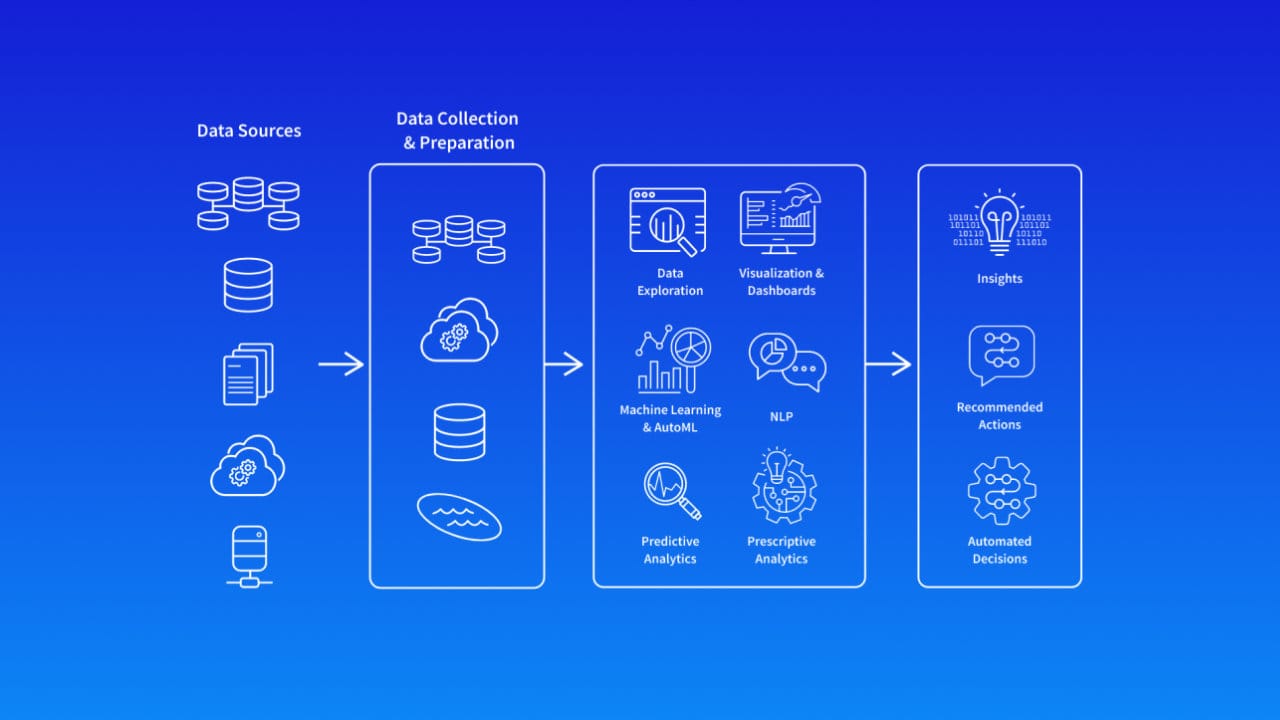
A new era of search is reshaping how companies experience visibility on the web. AI platforms such as ChatGPT, Gemini, Claude and Perplexity are becoming primary discovery tools for millions of users. They answer questions instantly by pulling content from websites without ever directing users to the original source. The behaviour is subtle yet disruptive. Traditional analytics tools report stagnant or declining traffic while server logs show a sharp rise in requests from AI systems that never convert to visits.
The most overlooked problem is the overwhelming volume of image requests. These models rely heavily on images to build context, evaluate meaning and present visually enriched answers. Every one of those requests consumes server resources even though no user ever visits the website. It is a silent operational cost that analytics cannot detect.
AI platforms consume your images without sending any traffic back
AI systems do not behave like browsers. When a user submits a question, the model retrieves whatever assets it needs to produce an answer. These assets include images, structured data, metadata and content fragments. The AI does not load your webpage. It does not execute analytics scripts. It simply extracts the information it wants.
This extraction is heavy, repeated and invisible. Server logs often show dozens or hundreds of requests from AI systems without any visible user traffic. Analytics tools register nothing because the interaction never enters the browser layer. For organisations that rely on traffic as a signal of demand, this creates a distorted picture. Visibility is rising but traditional metrics show decline.
Each request uses server resources without creating engagement or revenue.
Why multimodal models trigger extreme image volume
Multimodal AI needs images to understand the world. When a model processes a page or a dataset, it pulls the image multiple times and in multiple formats. This behaviour amplifies server load.
These requests do not follow conventional browser logic. They are deterministic internal calls made by the AI to enrich its answer. They do not represent users and do not contribute to click through activity.
The operational reality Servers take the hit while analytics remain silent
This mismatch creates operational risk. Companies pay for the rising load while analytics show no corresponding increase in visitors. The cost is real and measurable.
For organisations with visually rich sites, the cost impact is significant. The server behaves as if traffic is growing even though audience engagement is shrinking. This is the reverse of traditional performance patterns. It forces companies to expand infrastructure due to AI consumption rather than customer activity.
The CTR collapse AI driven answers eliminate the need to visit your site
AI platforms are designed to reduce the need for external clicks. They aim to deliver complete answers inside the interface. When a user receives a complete explanation, comparison or summary, the visit becomes unnecessary. Even when AI platforms cite your content, they rarely drive meaningful traffic.
This creates a structural decline in click through rates. CTR metrics that once served as indicators of organic performance no longer reflect reality. Companies may believe their content is underperforming when in fact it is being consumed heavily by AI systems without attribution or visibility.
As multimodal capabilities grow, this pattern intensifies. Image heavy answers, visual summaries and AI generated previews replace engagement with your site. The user receives value while the publisher receives nothing.
The rise of untraceable visibility and lost attribution
AI search creates a blind spot that analytics tools cannot close. Companies lose visibility into
- How often their content is referenced
- How frequently their images are used
- How many AI platforms are retrieving their assets
- How users engage with those answers
Traditional attribution frameworks fail because AI search does not rely on pageviews. Your content becomes raw material for the AI engine. The user never interacts with your brand directly.
This creates long term strategic risk. Brands lose control of their messaging. Websites lose their role as the entry point for the customer journey. Companies make decisions based on partial visibility.
The cost of unmanaged image consumption
When AI systems request images repeatedly, the cost is compounded. Large image files delivered at scale create substantial resource drain. Even highly optimised CDNs incur costs when traffic increases without revenue behind it.
Organisations must rethink how they manage image heavy content. They must understand which assets are being consumed, how often they are being requested and which AI systems are responsible. Without this insight, cost forecasting becomes unreliable and infrastructure planning becomes reactive rather than strategic.
What organisations must do to regain control
To respond effectively to AI driven consumption, companies should adopt a new operational playbook.
Recommended actions
- Analyse server logs to identify repeated AI traffic patterns
- Track image level consumption across formats and resolutions
- Introduce new KPIs for AI visibility to replace browser centric metrics
- Optimise caching and compression policies for high volume assets
- Build AI specific governance rules to control how crawlers interact with the site
- Monitor the cost correlation between AI requests and infrastructure usage
Companies that ignore this shift risk overspending on infrastructure while underestimating their true market exposure.
How Scalevise supports organisations in this transition
Scalevise helps companies understand and quantify AI traffic, especially the invisible load caused by image requests. Our expertise covers AI search visibility, server log intelligence, infrastructure impact analysis and governance frameworks aligned with upcoming regulatory requirements. We work with organisations to build operational clarity and regain strategic control over digital exposure.