
EU State of the Union 2026: What Businesses Should Watch on Digital Policy
Ursula von der Leyen will deliver the 2026 EU State of the Union in Strasbourg on 16 September. The address may set the policy direction businesses need to monitor across AI and digital regulation.
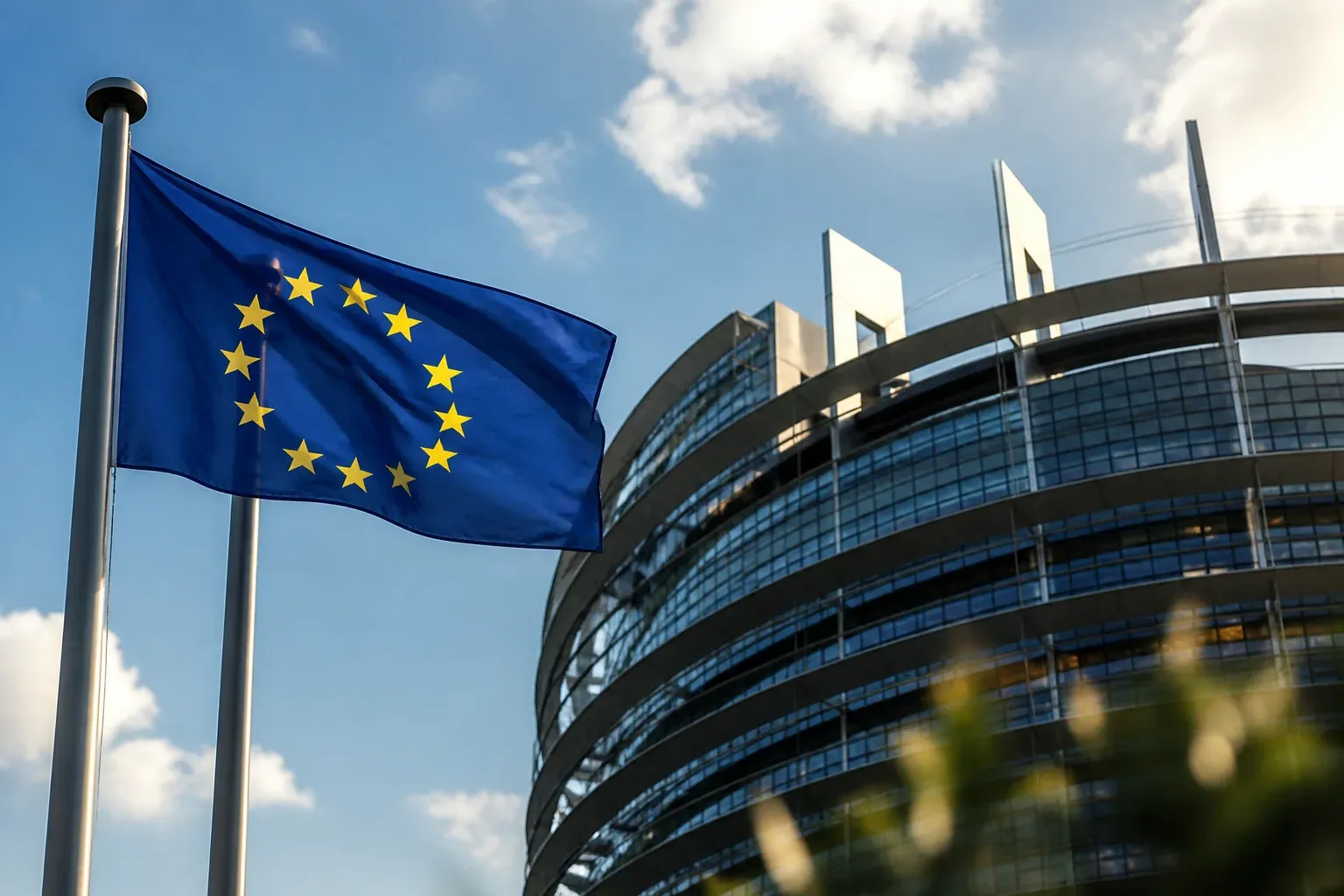
The European Union's 2026 State of the Union address is officially scheduled for 16 September 2026, offering businesses, technology providers and policymakers an important view of the Commission's priorities for the year ahead. Ursula von der Leyen will deliver the address at the European Parliament in Strasbourg, where ongoing work on AI regulation, technology sovereignty and digital policy is likely to form part of the wider policy context.
The European Commission's official State of the Union page lists the event from 09:00 to 11:50 CEST and confirms that web streaming will be available. The Commission's State of the Union addresses section also identifies von der Leyen as the speaker for the 2026 event.
The address is not itself a new law or a binding compliance deadline. Its value lies in the political and policy signals it can provide. The Commission uses the annual address to set out its agenda, while related documents and subsequent institutional work provide more detail on the proposals, timelines and measures that may follow.
Why the 2026 address matters for digital policy
The confirmed event arrives amid continued EU work on digital-policy instruments. The verified policy environment includes AI regulatory updates and simplification work, the European Tech Sovereignty package, and open-source and digital-by-default instruments. These initiatives are distinct processes, but together they show the issues likely to shape the Commission's broader digital agenda.
For companies, the practical question is not whether every initiative will produce an immediate obligation. It is whether the address clarifies the Commission's direction on areas that affect technology choices, product planning and market access. Businesses using AI, building digital services or relying on European technology infrastructure should pay attention to how the Commission connects regulation, competitiveness and investment.
Three areas are particularly worth watching:
- AI regulatory direction: Any indication of how the Commission intends to update or simplify AI-related rules could affect planning for providers and users of AI systems.
- Technology sovereignty: Measures designed to strengthen Europe's technology capabilities may influence future support, procurement priorities or the policy environment for software and infrastructure providers.
- Digital-by-default and open-source tools: Further policy emphasis in these areas could shape how public-sector digital services and interoperable technology initiatives develop.
It is important to keep the distinction clear: the event and livestream are confirmed, while the precise commitments, proposals and wording of the speech should not be assumed before the address is delivered.
What businesses can do before the speech
The most useful preparation is to identify the parts of the policy agenda that intersect with existing operations. A software company may be focused on AI-related obligations and market rules. A company adopting AI internally may be more interested in whether the Commission signals changes to implementation guidance or simplification. Firms selling to public bodies may want to monitor digital-by-default and technology sovereignty priorities.
Rather than reacting to headlines alone, teams can prepare a short watchlist of questions:
- Does the address announce a concrete proposal, funding measure or timetable?
- Is the announcement a political priority, or does it begin a formal legislative or regulatory process?
- Which existing digital or AI initiatives are referenced, revised or given new emphasis?
- Does follow-up documentation explain who is affected and when action may be required?
The Commission has already catalogued State of the Union 2026 materials, including a document titled From promise to progress: second year in office and a timeline dated 11 September 2026. Those materials, alongside the speech and any later Commission publications, will be more useful than early interpretations for determining whether an announcement changes practical requirements.
From political signal to operational impact
A State of the Union speech can influence policy momentum, but it does not replace the detailed work that follows. Businesses should separate broad direction from enforceable change. The former may inform strategy and investment decisions. The latter normally depends on official proposals, adopted legal texts, guidance, implementation dates and the specific circumstances of a company or product.
That distinction is especially relevant for AI. A statement about simplification or competitiveness may indicate where the Commission wants to reduce friction or increase European capacity. It does not, on its own, change the obligations that apply to an AI system. Companies should therefore use the 16 September address as an early decision point for monitoring, not as a substitute for reviewing formal requirements.
For businesses trying to turn changing AI policy into realistic technology plans, Scalevise's AI consultancy service can help assess use cases, map practical implementation options and identify where new policy signals may matter to operations. A focused review can reduce wasted effort, keep AI projects tied to measurable business needs and clarify what to monitor as EU initiatives develop. Request an AI consultation.
Frequently Asked Questions
When is the EU State of the Union 2026 address?
It is scheduled for 16 September 2026, from 09:00 to 11:50 CEST, at the European Parliament in Strasbourg.
Who will deliver the 2026 State of the Union address?
Ursula von der Leyen will deliver the State of the Union address, according to the European Commission's State of the Union addresses section.
Will the EU State of the Union 2026 be livestreamed?
Yes. The European Commission's official State of the Union page states that web streaming will be available.
Will the speech create new AI compliance rules?
No. The address may signal policy priorities, but new legal or regulatory obligations depend on formal proposals, adopted rules, guidance and applicable implementation timelines.
Conclusion
The 2026 EU State of the Union is a confirmed, scheduled opportunity to understand the Commission's next policy priorities. With AI regulation, technology sovereignty and digital instruments already active parts of the EU policy environment, the speech and its follow-up materials will be worth monitoring for concrete commitments, timetables and implications for business technology decisions.