
Google Signals a Proactive, Hyper-Personalized Future for Discover
A Google Careers listing outlines a plan to reshape Google Discover into a proactive, hyper-personalized concierge experience, with AI-enabled formats and human perspectives.
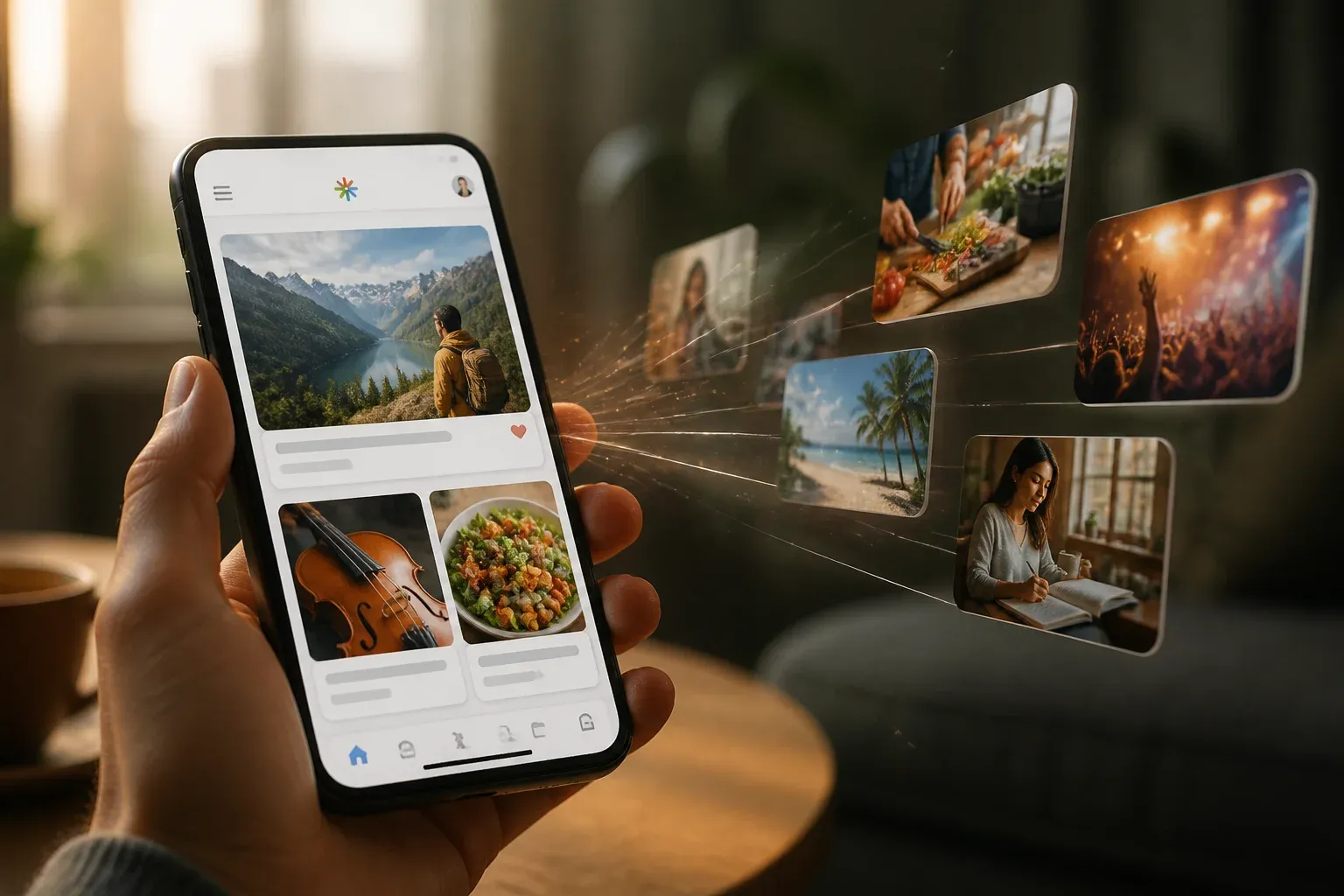
Google is recruiting design leadership for a significant new direction for Google Discover: turning the feed into a proactive, hyper-personalized concierge experience. The signal comes from an official role listing, not a launched product announcement, but it gives one of the clearest public indications yet of how Google wants Discover to evolve through AI-assisted experiences.
The Google Careers listing for the Search Discover role describes a senior UX position focused on the strategy and execution needed to make that shift. Google frames the work as balancing AI capabilities with human voices and sources, while creating formats that can help users move from inspiration to action.
That distinction matters. Google is not simply describing another feed redesign. The role points to an experience designed to anticipate and support users' goals, rather than only presenting content for passive browsing. Google has not published a product rollout date, specific interface designs, or details on how the experience would be personalized.
What Google’s Discover strategy signals
The job description positions the Discover work as a design and product challenge at scale. Its stated responsibilities indicate that Google wants the new direction to combine AI-enabled formats, new engagement mechanisms, and native app interactions with content and perspectives from people.
The role’s responsibilities include:
- Leading the design vision and execution for a proactive, hyper-personalized concierge experience.
- Creating user-first strategies that guide people from inspiration to action.
- Scaling AI-enabled feed formats and designing new ways for people to engage.
- Elevating human voices and perspectives in the feed.
- Applying best practices from scaled consumer feed products and supporting a high-craft design organization.
The wording is important because it presents AI and human sources as complementary, rather than describing Discover as an entirely automated answer surface. For content creators and businesses, that leaves room for useful original perspectives within a feed that may become more action-oriented and personalized.
| Area | Existing framing | Direction described in the role listing |
|---|---|---|
| Discover experience | A content feed | A proactive, hyper-personalized concierge experience |
| User journey | Feed engagement | Helping users move from inspiration to action |
| Formats | No new format details disclosed | Scaling AI-enabled formats and new engagement mechanisms |
| Content inputs | No change specified in the listing | Balancing AI capabilities with human voices and sources |
The table reflects strategic language in the listing, not confirmed user-facing functionality. Google has not said which AI-enabled formats it will release, how they will work, or whether every part of the stated vision will become a public feature.
What the shift could mean for publishers and businesses
A proactive Discover experience could make the context and usefulness of content more important than a conventional feed impression alone. If Discover is designed to help users act on goals, content that clearly serves a particular need may be better positioned to fit future experiences than content built around vague attention capture.
That is an implication of the direction Google has described, not evidence of new ranking criteria. The listing does not disclose changes to eligibility, ranking systems, traffic reporting, publisher tools, or advertising products. Businesses should therefore avoid treating the role as a reason for a sudden tactical overhaul.
Still, the focus on human voices offers a practical signal. Companies that publish genuinely helpful expertise, clear product information, and credible perspectives may be better prepared if Discover increasingly connects users with next steps. For example, a business can make its content easier to understand by ensuring that each page has a clear purpose, identifies who it helps, and provides accurate information a visitor can use.
The potential move toward new engagement mechanisms also means website owners should watch for product updates rather than optimize for imagined formats. A new interface could affect how users encounter content, but Google has not announced any implementation requirements. The sensible response is to strengthen content quality and clarity while keeping measurement disciplined.
Useful preparation priorities include:
- Review content for clear audience needs and practical next steps.
- Preserve original expert perspectives instead of relying on generic, interchangeable copy.
- Keep important business, product, and service information accurate and easy to find.
- Track Discover performance separately where existing reporting makes that possible.
- Wait for official product documentation before changing technical implementation or content processes around unannounced formats.
For businesses that rely on organic visibility, this is also a reminder that discovery is changing across feeds, search results, and AI-assisted interfaces. The immediate task is not to predict an unreleased Google feature. It is to make information useful enough that it can be understood, surfaced, and acted on wherever potential customers encounter it.
Google’s language also suggests that Discover may remain distinct from a purely answer-driven AI product. The company specifically emphasizes feed experiences, human sources, and native app interactions. That makes the development relevant to publishers, marketers, and businesses with content strategies, even though the eventual product details remain unknown.
For companies trying to remain visible as search and AI-driven discovery converge, Scalevise can help turn unclear platform shifts into a practical content and visibility plan. An AI search visibility assessment can identify whether your website clearly communicates expertise, services, and useful answers across the pages that matter most. That creates a stronger foundation for evolving discovery surfaces without chasing unannounced tactics. Request an assessment to prioritize the improvements that can make your content easier to find and trust.
Frequently Asked Questions
What is Google planning for Discover?
Google’s job listing describes a strategy to transform Discover into a proactive, hyper-personalized concierge experience that uses AI capabilities while balancing human voices and sources.
Has Google launched the new Discover concierge experience?
No. The listing signals a strategic direction and a senior role intended to help deliver it, but Google has not published a rollout timeline or announced specific user-facing features.
What AI changes to Discover are confirmed?
The role description refers to scaling AI-enabled formats and creating new engagement mechanisms. It does not specify the formats, their functionality, or availability.
Will this change Google Discover traffic or ranking systems?
Google has not disclosed changes to Discover ranking, eligibility, traffic reporting, or publisher requirements. Any effect on traffic or visibility remains unknown until Google shares product details.
Conclusion
Google’s hiring plans provide a confirmed first-party signal that Discover is being shaped toward a more proactive, personalized, AI-assisted experience. The product vision is clear, but its features, timing, and publisher impact are not. For now, businesses should focus on accurate, distinctive, useful content and watch for official implementation details.