
OpenAI’s Hardware Strategy Hints at a New Kind of Computer Beyond the PC
OpenAI has confirmed a multi-generation AI compute platform through Jalapeño while signaling broader hardware ambitions. Its eventual consumer device remains unclear.
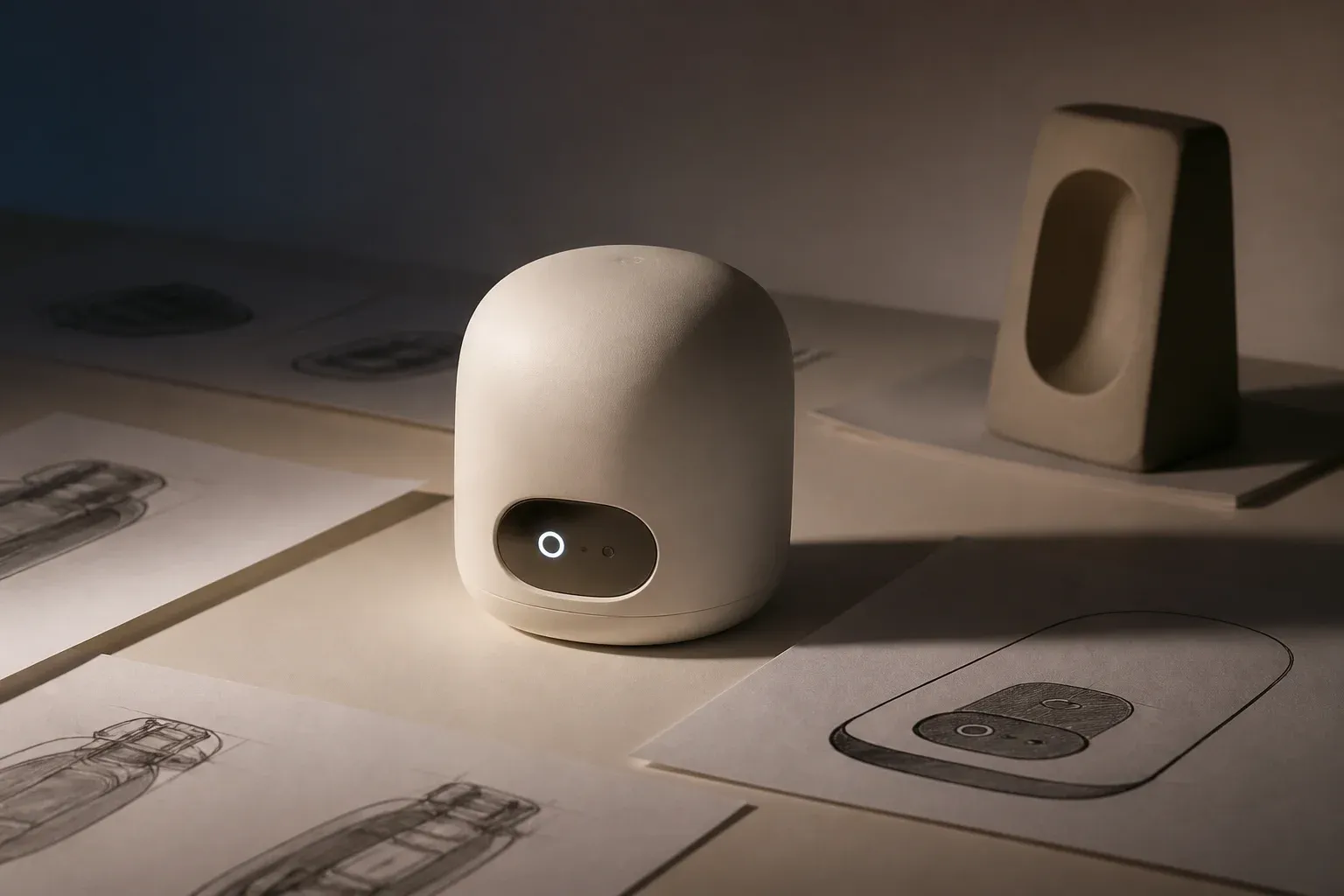
OpenAI is pursuing hardware as a strategic extension of its AI work, and Sam Altman’s reference to wanting a “new kind of computer” aligns with that direction. The company has confirmed a data center hardware program with Broadcom, while reporting around its work with Jony Ive’s io has pointed to a separate ambition: rethinking the interface and experience of AI-era computing. What remains uncertain is the final form of any consumer-facing device.
The clearest official evidence is Jalapeño, OpenAI’s first Intelligence Processor. In its June 24, 2026 announcement with Broadcom, OpenAI described Jalapeño as part of a multi-generation compute platform intended to scale AI across its products and data centers. The company said deployment is planned across 2026, 2027, and beyond, making this a concrete infrastructure effort rather than a conceptual device teaser. OpenAI’s official Jalapeño announcement establishes the core of that hardware direction.
That distinction matters. Jalapeño is about the computing foundation required to run AI at scale. The broader language around a new kind of computer points toward a possible future endpoint in which specialized infrastructure, AI-native software, and a different human-computer interface are designed as parts of the same system. OpenAI has not publicly specified a consumer product’s design, release date, price, or capabilities.
What OpenAI’s hardware program confirms
OpenAI’s public hardware signals should not be treated as a single announced product. They instead show two related layers of a longer-term strategy: compute infrastructure that supports AI services and an emerging effort to explore new AI-focused user experiences.
| Area | Jalapeño program | Broader AI device direction |
|---|---|---|
| Primary focus | AI inference compute for products and data centers | Potentially new interface and user experience for AI computing |
| Public status | Officially announced by OpenAI and Broadcom | Credibly signaled through Altman’s comments and reporting on work with io |
| Deployment or availability | Planned across 2026, 2027, and beyond | No final form factor, release timing, or consumer specifications announced |
| Strategic role | Builds a multi-generation platform for scaling AI workloads | Suggests OpenAI may seek a more direct role in how people use AI |
The Jalapeño initiative also gives OpenAI more control over a critical constraint in AI deployment: access to efficient inference capacity. As AI products serve more users and handle more recurring tasks, the cost, availability, and performance of inference infrastructure become central business and product considerations. A custom processor program does not itself reveal how OpenAI will build end-user hardware, but it shows the company is investing beyond models and cloud-hosted software.
The reported collaboration with Jony Ive’s io is relevant because it shifts the question from chips to interaction. Late-2025 interviews and demonstrations described a forthcoming AI device with a different interface and user experience. That supports the possibility of a dedicated AI computing category, but not the assumption that OpenAI has settled on a replacement for a laptop, phone, or desktop computer.
Several practical implications follow from the confirmed program and the credible consumer-device signal:
- AI infrastructure and interfaces may converge. OpenAI appears interested in both the systems that run AI and the ways people access it.
- Traditional device categories are not yet displaced. There is no official evidence of a finished OpenAI consumer computer or of a product intended to replace existing PCs.
- Enterprise adoption will still depend on integration. Even if new AI hardware emerges, organizations will need to consider identity, security, data controls, workflow fit, and support for existing systems.
- The timing is uneven. Jalapeño has stated deployment plans, while the user-facing hardware roadmap remains less defined.
For enterprises, the near-term development is more likely to be felt through AI services supported by expanded compute capacity than through an immediate device procurement decision. The longer-term question is whether an AI-native interface can become useful enough to change how employees search, communicate, create, and complete routine work.
Organizations assessing that shift can work with Scalevise on AI architecture, workflow automation, and integration planning that connects emerging AI capabilities to existing business systems without assuming a particular device category will win.
Frequently Asked Questions
What is OpenAI Jalapeño?
Jalapeño is OpenAI’s first Intelligence Processor, announced with Broadcom as part of a multi-generation compute platform for scaling AI across OpenAI products and data centers.
Has OpenAI announced a consumer AI computer?
No. OpenAI has confirmed the Jalapeño infrastructure program, but it has not announced a fully specified consumer-grade computer, including its form factor, features, price, or release date.
What does the “new kind of computer” idea refer to?
It credibly signals interest in AI-first computing experiences that could use a different interface and user experience from traditional devices. The final product direction remains unannounced.
When will Jalapeño be deployed?
OpenAI said the Jalapeño platform is planned for deployment across 2026, 2027, and beyond.
Conclusion
OpenAI’s confirmed Jalapeño program demonstrates that its hardware strategy has moved into concrete infrastructure development. The idea of a new kind of computer is a credible extension of that strategy, particularly alongside reported work with io, but the consumer-facing product remains undefined. For now, the strongest evidence is of an AI company building deeper control over both the compute platform and, potentially, the future interface for using AI.