
EU’s Not On Our Feed Campaign Signals a Broader Cyberbullying Response
Not On Our Feed is a planned pan-EU youth campaign against cyberbullying, connected to the European Commission’s wider 2026 action plan.
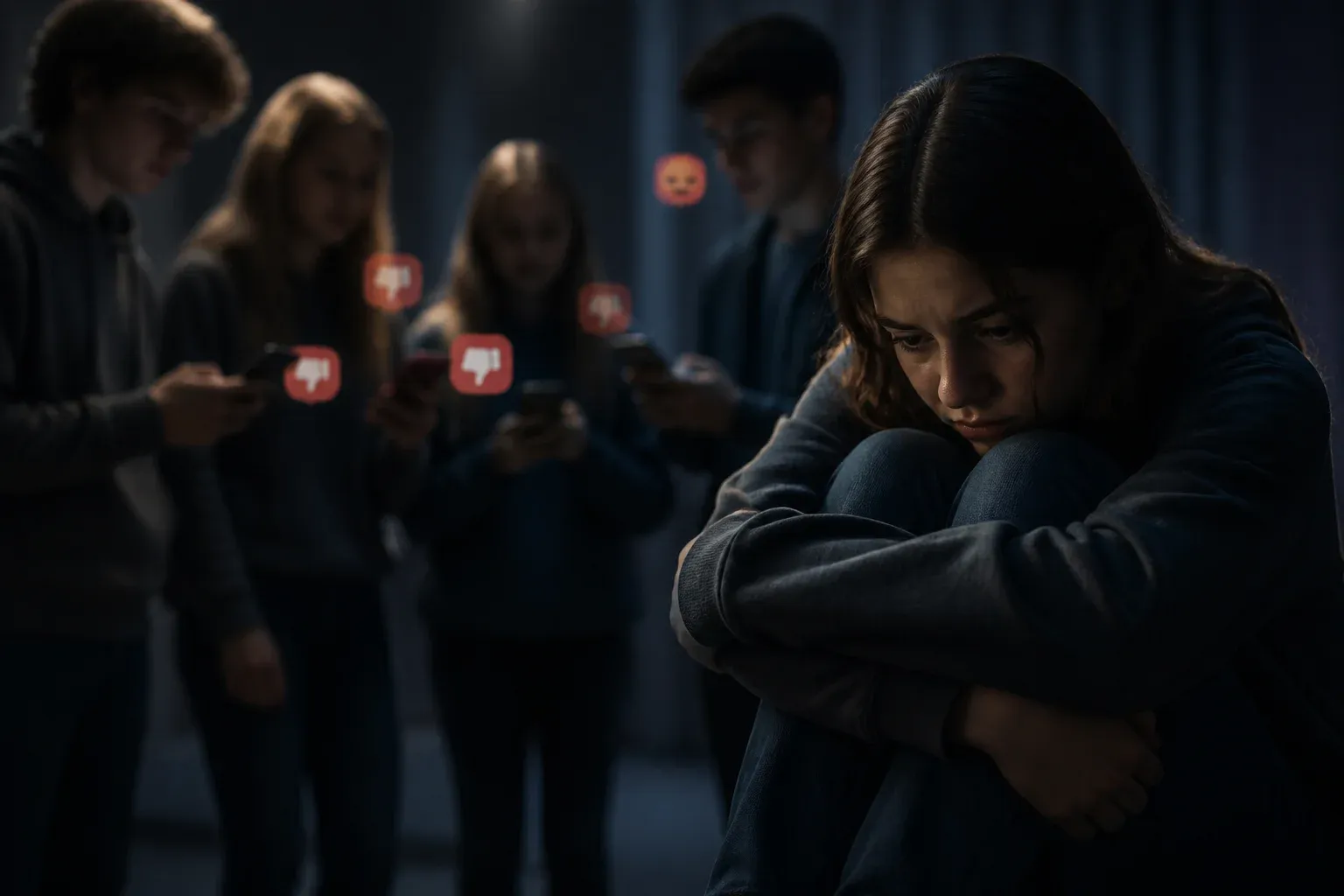
The European Union is preparing Not On Our Feed - Together against cyberbullying, a pan-EU campaign aimed at helping young people address cyberbullying and emerging online risks. The initiative is planned for late summer or early autumn 2026, according to the Better Internet for Kids programme, rather than having a single confirmed campaign-wide launch day.
The campaign matters because it sits within a broader shift in EU online-safety policy. On 10 February 2026, the European Commission published its EU Action Plan Against Cyberbullying, setting out a coordinated response that includes stronger platform reporting mechanisms, governance for minors’ online safety and an EU-wide safety app. Not On Our Feed is positioned as the youth-facing outreach element of that wider effort.
The Better Internet for Kids bulletin says the campaign will launch in the late-summer or early-autumn window. EU youth communications have also publicised a related Not On Our Feed contest, including a reported submission deadline around 7 August 2026. Those details indicate that campaign activity is being prepared, but they do not establish one fixed launch date for the overall initiative.
A youth campaign connected to wider online-safety governance
Not On Our Feed is designed for young people aged 13 to 21 and will work through the Safe Internet Centres network across EU Member States. Its public-facing approach is multi-format: young participants can engage through video, artwork, quizzes and mini-campaign concepts. The programme also includes a MOOC, or massive open online course, as part of its wider awareness and learning activity.
That format is significant. Cyberbullying policy can easily become an abstract discussion of rules, reporting flows and platform obligations. A campaign built around participation gives young people a route to contribute messages and materials in the formats they use online. It also gives national Safe Internet Centres a common European framework for local outreach.
| Development | EU Action Plan Against Cyberbullying | Not On Our Feed campaign |
|---|---|---|
| Role | Overarching EU policy framework | Youth-focused awareness and participation initiative |
| Timing in 2026 | Published 10 February | Planned for late summer or early autumn |
| Reported elements | Safety app, stronger reporting mechanisms and minors’ online-safety governance | Contest, MOOC and cross-border outreach through Safe Internet Centres |
| Primary audience | EU-wide online-safety stakeholders | Young people aged 13 to 21 |
The distinction is important for readers following European digital policy. The action plan provides the strategic direction, while Not On Our Feed appears intended to translate that direction into youth participation, education and awareness. The campaign should therefore be understood as one component of a coordinated response, not as a standalone replacement for platform safeguards or reporting systems.
What the campaign may signal for platforms and AI tools
The campaign itself does not announce new platform obligations or technical requirements for AI systems. However, its place alongside the action plan provides a clear policy context: the EU is connecting prevention, user support, reporting and governance for minors’ online experiences.
For platforms, that context reinforces the importance of reporting mechanisms that young users can understand and use. The Commission’s action plan explicitly identifies stronger reporting as part of its response to cyberbullying. A youth-centred campaign can also reveal where awareness is low, where help pathways are unclear and where communications fail to reach the people they are intended to protect.
For organisations deploying AI-enabled moderation, content support or educational tools, the practical issue is not a newly announced compliance checklist from this campaign. It is the direction of travel. Systems that affect young users need clear escalation paths, meaningful human support where appropriate and governance that accounts for harmful interactions rather than treating safety as a secondary product feature.
Three implications stand out from the material available so far:
- Youth participation is central. The contest and outreach formats put young people at the centre of the campaign’s communication model.
- Cross-border coordination is a priority. Safe Internet Centres will connect activity across Member States while supporting local implementation.
- Awareness is being linked to operational safety measures. The campaign accompanies an action plan that addresses reporting, a safety app and governance for minors’ online safety.
Businesses building or buying AI systems for schools, communities or consumer platforms should treat this as a prompt to review their safety design before policy expectations become more detailed. Scalevise helps organisations connect AI strategy, governance and implementation so that safety considerations are built into real operating decisions, not added after deployment. Discuss an AI governance and implementation approach with Scalevise to request a consultation.
Frequently Asked Questions
What is the EU’s Not On Our Feed campaign?
Not On Our Feed - Together against cyberbullying is a planned pan-EU campaign focused on preventing cyberbullying and helping young people address online risks. It is part of the wider 2026 EU push against cyberbullying.
When will Not On Our Feed launch?
Better Internet for Kids has indicated a late-summer or early-autumn 2026 launch window. The available material does not confirm one fixed launch date for the campaign as a whole.
Who is the campaign for?
The campaign targets young people aged 13 to 21. It is coordinated with Safe Internet Centres across EU Member States.
What activities are planned under Not On Our Feed?
Reported components include a multi-format youth contest covering video, artwork, quizzes and mini-campaigns, alongside a MOOC and broader awareness activity.
Does the campaign create new AI or platform rules?
The campaign materials do not announce new technical requirements. It is connected to the EU Action Plan Against Cyberbullying, which includes stronger reporting mechanisms and governance for minors’ online safety.
Conclusion
Not On Our Feed is a planned youth-facing part of the EU’s broader 2026 response to cyberbullying. Its final campaign-wide launch date remains unspecified, but its contest, learning and cross-border outreach components show how the EU is pairing online-safety governance with direct engagement of young people. For platforms and AI adopters, the clearest message is that accessible safety, reporting and responsible governance are becoming increasingly connected priorities.